
Things to Do in Historic Amboise: From the Royal Château to a Loire Valley Wine Break
Things to do in historic Amboise, France — the royal château, Leonardo da Vinci’s final home at Clos Lucé, market shopping, and a Loire Valley wine tasting.
France has always held a special place in my heart. I love its effortless beauty, from Parisian streets and historic harbors to fairytale castles, Champagne vineyards, and sunlit Mediterranean villages. Its culture feels alive in every café, market, museum, and meal, inviting me to slow down, look closer, and return again.
Everything you need to plan an unforgettable trip through France, from iconic cities and historic regions to transportation, itineraries, French culture, food, and practical travel tips.
• The best places to visit in France, from Paris and Normandy to Champagne, the Loire Valley, Alsace, and the French Riviera
• Destination guides for Paris, Montmartre, Versailles, Nice, Èze, Villefranche-sur-Mer, Strasbourg, and beyond
• Historic landmarks, royal palaces, Roman ruins, châteaux, museums, and UNESCO World Heritage Sites
• French culture, art, architecture, wine, and local experiences
• Suggested itineraries, scenic road trips, and meaningful day trips
• Where to stay throughout France, from city hotels to countryside villages
• Transportation by train, car, plane, and local public transit
• Restaurants, cafés, markets, regional specialties, and traditional French cuisine
• Shopping, food markets, Champagne cellars, and memorable French souvenirs
• The best time to visit France, including seasonal travel ideas
• Sustainable travel tips and thoughtful ways to support local communities
• My favorite discoveries from traveling through France
France is one of those countries that can be as iconic or as intimate as you make it. You can spend a first trip admiring the Eiffel Tower, wandering the Louvre, and standing beneath the glittering Hall of Mirrors at Versailles. Or you can slow down, drive through the countryside, stay in a village, explore Roman ruins, and let each region reveal its own rhythm.
It is a country shaped by centuries of art, literature, royalty, trade, food, wine, revolution, and craftsmanship. Yet what stays with you most is often not the famous landmark. It is the morning croissant from a neighborhood bakery, the view from a train window, the sound of church bells across a village square, or the way a simple café table can turn into an entire afternoon.
Whether you are planning your first France vacation or returning for a deeper look at the places beyond Paris, this guide will help you create a journey filled with history, beauty, and unforgettable moments.
Popular Hotels When You Visit France
France sits in western Europe, bordered by the English Channel, the Atlantic Ocean, the Mediterranean Sea, and several European countries. Its geography is wonderfully varied, stretching from Normandy’s dramatic coast and the vineyards of Champagne to Alpine peaks, sun-drenched Mediterranean villages, and historic cities shaped by Roman, medieval, royal, and modern France.
France offers a little bit of everything travelers dream about in Europe:
• Historic cities and medieval villages
• World-class art and museums
• Palaces, châteaux, and Roman ruins
• Vineyards, Champagne houses, and food markets
• Coastal road trips and French Riviera views
• Walkable neighborhoods and café culture
• UNESCO World Heritage Sites
• Beautiful train journeys
• Regional food, wine, and local traditions
• Endless opportunities to slow down and wander
One of the reasons France feels so rewarding is that every region has its own identity. Normandy feels entirely different from Nice. Strasbourg has a different atmosphere from Paris. The Loire Valley feels romantic and pastoral, while southern France carries the lasting imprint of the Roman Empire.
France is wonderfully easy to explore by high-speed train, regional rail, rental car, or a combination of all three.
For a city-centered trip, trains make planning beautifully simple. Paris connects easily with destinations including Lille, Strasbourg, Épernay, the Loire Valley, Nice, and Avignon, allowing you to experience a great deal of the country without needing to drive.
For regions such as Normandy, the Loire Valley, Provence, and the French Riviera, a car offers more freedom. It lets you stop in smaller villages, visit coastal viewpoints, explore châteaux at your own pace, and make room for the unexpected places that often become your favorite memories.
I especially loved road-tripping the French Riviera, where every curve seemed to reveal another hillside village, bright blue view, or tucked-away Mediterranean town.
From my own experience, the train rides became part of the adventure itself — peaceful glimpses of canals, green countryside, bicycles, and charming towns passing by the windows between destinations.
• By train: Best for Paris, Lille, Strasbourg, Épernay, Nice, and larger cities.
• By car: Ideal for Normandy, the Loire Valley, southern France, and the Riviera.
• On foot: The best way to experience Paris, Montmartre, Honfleur, Strasbourg, Nice, and the old centers of France’s smaller cities.
• With a local guide: Especially meaningful in places with layered history, including Normandy’s D-Day sites, Champagne cellars, and major art museums.
France is beautiful year-round, but the best season depends on the regions you hope to visit and the kind of experience you want.
•Spring (April–June): One of the loveliest times to visit France, with gardens in bloom, mild weather, outdoor cafés, and long days for sightseeing. It is especially beautiful in Paris, the Loire Valley, Normandy, and Alsace.
•Summer (July–August): Perfect for the French Riviera, coastal towns, outdoor markets, and long evenings. It is also the busiest season, particularly in Paris, Provence, and along the Mediterranean.
•Fall (September–October): My favorite season for many parts of France. The weather is often still beautiful, vineyards become especially atmospheric, and cities such as Paris and Strasbourg feel a little more relaxed after summer.
•Winter (November–December): A wonderful choice for Christmas markets in Strasbourg and Alsace, cozy Paris cafés, museum-focused trips, and festive Champagne escapes. The Riviera can also be appealing for travelers looking for quieter streets and softer winter light.
France deserves more time than most travelers first expect. It is easy to see Paris in a few days, but the country becomes even more memorable when you add a second or third region.
• 3–4 days: Focus on Paris, with a day trip to Versailles or Champagne.
• 7-8 days: Pair Paris with Normandy, the Loire Valley, Champagne, or Strasbourg.
• 10-12 days: Combine Paris with two regions, such as Normandy and the Loire Valley, or Champagne and Alsace.
• Two weeks or more: Create a fuller France itinerary that includes Paris, northern France, the countryside, and the south or French Riviera.
My best advice is not to try to see all of France at once. Choose a few regions that connect naturally, leave room for unplanned wandering, and let yourself linger.
France has had an extraordinary influence on the world through its art, architecture, fashion, philosophy, food, language, and political history. Its layers are everywhere: Roman temples in Nîmes, Gothic cathedrals in Strasbourg, royal palaces in Versailles, medieval lanes in Honfleur, and Parisian streets that have inspired artists and writers for centuries.
What makes France especially special is that its history does not feel separated from everyday life. People still shop at neighborhood markets, gather over long meals, buy bread from local bakeries, and live among buildings and landscapes that have held stories for hundreds of years.
France is home to 54 UNESCO World Heritage Sites, including places that represent its Roman history, royal heritage, sacred architecture, historic cities, vineyards, and extraordinary landscapes.
A few of the most memorable include:
•Paris, Banks of the Seine
•Mont-Saint-Michel and its Bay
•Palace and Park of Versailles
•Chartres Cathedral
•Strasbourg, Grande-Île and Neustadt
•The Loire Valley between Sully-sur-Loire and Chalonnes
•Champagne Hillsides, Houses and Cellars
•Nice, Winter Resort Town of the Riviera
•Roman monuments of Arles
•Maison Carrée in Nîmes
Mont-Saint-Michel is one of France’s most unforgettable UNESCO sites, rising from vast tidal sandbanks between Normandy and Brittany. UNESCO It is the kind of place that feels almost imaginary until you see it standing in the distance.
Popular Tours When You Visit France
France has shaped art history in ways that can be felt almost everywhere you travel.
Paris alone holds some of the world’s most important collections, from the Louvre and Musée d’Orsay to the Musée de l’Orangerie, the Rodin Museum, and countless smaller museums. But France’s artistic legacy goes far beyond the capital.
You can find it in the Gothic grandeur of Strasbourg Cathedral, the elegant symmetry of Versailles, the warm stone villages of the south, the Impressionist light of Normandy, and the Mediterranean colors of Nice and the French Riviera.
Paris may be the beginning for many art lovers, but France has a way of making the entire landscape feel like part of the museum.
Food is not simply something you fit between sightseeing in France. It is part of the travel experience itself.
The French gastronomic meal is recognized by UNESCO as Intangible Cultural Heritage, reflecting the country’s tradition of gathering, sharing food, pairing it with wine, and taking time to enjoy the table.
A few French experiences to savor:
•Fresh croissants and pain au chocolat from a local boulangerie
•Cheese boards, wine, and a long late-afternoon café stop
•Mussels in Honfleur beside Normandy’s historic harbor
•Champagne tastings in Épernay
•Market lunches filled with local bread, fruit, cheese, and pastries
•Salade Niçoise, socca, seafood, and rosé on the Riviera
•Alsatian specialties in Strasbourg
•Regional wines in the Loire Valley, Burgundy, Bordeaux, Champagne, and Provence
Every region tells its story through food. In Nice, for example, the cuisine is bright, simple, and Mediterranean, built around olive oil, herbs, fresh vegetables, and seafood.
French cuisine is never just one thing. Every region has its own ingredients, traditions, and specialties shaped by the landscape, climate, and local history. One of the best parts of traveling through France is discovering how different a meal can feel from Paris to Normandy, Champagne to the Riviera.
Paris is perfect for classic French café culture, elegant patisseries, neighborhood boulangeries, and beautiful food markets. Enjoy a fresh croissant or pain au chocolat in the morning, a baguette sandwich for lunch, and a long dinner with wine and dessert.
•Croissants, baguettes, and pain au chocolat
•French pastries, macarons, and éclairs
•Steak frites and croque monsieur
•French onion soup
•Cheese plates and wine
Normandy is known for rich dairy products, apple orchards, cider, seafood, and comforting countryside cooking. In Honfleur, I loved enjoying mussels beside the historic harbor.
•Moules marinières, or mussels cooked with white wine
•Camembert, Livarot, and Pont-l’Évêque cheese
•Apple cider, Calvados, and pommeau
•Butter-rich pastries and caramel desserts
•Scallops, oysters, and fresh coastal seafood
Brittany’s Atlantic coastline has shaped a cuisine centered on seafood, salted butter, and hearty crepes. It is a lovely region for casual meals that still feel deeply connected to place.
•Galettes, savory buckwheat crêpes
•Sweet crêpes with salted butter caramel
•Fresh oysters, mussels, and seafood platters
•Kouign-amann, a rich buttery pastry
•Breton cider
Champagne is, of course, known for its sparkling wine, but the region also offers comforting dishes that pair beautifully with a glass of bubbly. Épernay is one of the best places to experience the region’s cellars, vineyards, and celebratory spirit.
•Champagne from local houses and small producers
•Jambon de Reims
•Chaource cheese
•Biscuits roses de Reims
•Regional dishes featuring mushrooms, ham, and creamy sauces
The Loire Valley brings together elegant wines, river fish, garden vegetables, goat cheese, and beautiful seasonal produce. It is a wonderful region for long lunches after a morning of visiting châteaux.
•Loire Valley wines, including Sancerre, Vouvray, and Chenin Blanc
•Goat cheese, especially Crottin de Chavignol
•Rillettes, a savory spread of slow-cooked meat
•Tarte Tatin, the famous upside-down apple tart
•Fresh asparagus, mushrooms, and river fish
Alsace has a delicious blend of French and German influences, with hearty dishes, aromatic wines, and cozy meals that are especially wonderful in cooler weather.
•Flammekueche, a thin flatbread topped with crème fraîche, onions, and bacon
•Choucroute garnie, sauerkraut served with sausages and pork
•Baeckeoffe, a slow-cooked meat and potato casserole
•Alsatian wines, including Riesling and Gewürztraminer
•Kugelhopf, a light brioche-like cake
Burgundy is one of France’s great wine regions and a perfect destination for travelers who love classic French cooking, rich sauces, and historic villages surrounded by vineyards.
•Boeuf bourguignon
•Coq au vin
•Escargots de Bourgogne
•Dijon mustard
•Burgundy wines, including Pinot Noir and Chardonnay
Lyon is often considered one of France’s great food cities, known for traditional bouchons, generous comfort food, and a long culinary legacy. It is an excellent place to enjoy regional cooking that feels both rustic and refined.
•Quenelles, delicate dumplings often served in a creamy sauce
•Saucisson and charcuterie
•Lyonnaise salad
•Pralines and tarte aux pralines
•Rhône Valley wines
The food of Provence and the Riviera feels brighter, lighter, and deeply Mediterranean. Olive oil, tomatoes, herbs, seafood, vegetables, rosé, and sunny outdoor meals define the region.
•Salade Niçoise
•Socca, a savory chickpea pancake
•Ratatouille
•Bouillabaisse and fresh seafood
•Tapenade, olive oil, herbs, and local goat cheese
•Provençal rosé
Southern France combines Roman heritage, Mediterranean ingredients, vineyards, and hearty regional dishes. Around Nîmes and Narbonne, you will find flavors shaped by the coast, countryside, and centuries of cultural exchange.
•Cassoulet, a slow-cooked bean and meat dish
•Brandade de morue, a creamy salt cod specialty
•Local olives, cheeses, and charcuterie
•Languedoc wines
•Fresh seafood from the Mediterranean coast
The southwest is known for deeply flavorful cuisine, rich duck dishes, foie gras, rustic country cooking, and bold regional wines.
•Duck confit and magret de canard
•Foie gras
•Cassoulet
•Roquefort cheese
•Cahors and Bordeaux wines
No matter where you travel in France, make time for local markets, family-run restaurants, cheese shops, bakeries, and regional wines. The most memorable meals are often the simplest ones: a warm baguette, local cheese, something fresh from the market, and enough time to enjoy it slowly.
Want More French Experiences?7 Reasons to Visit Honfleur, France
19 of the Best Things to Do in Nice to Fill Your Travel Journal
10 Things to do in Strasbourg: From Markets to Museums
How to Explore Loire Valley Castles on a Day Trip from Paris
28 Unforgettable Things to Do in Paris
4 Best Day Trips from Paris You Can’t Miss
6 Million Skeletons & Hidden Tunnels: How to Visit the Catacombs in Paris
Travel Paris: The Ultimate Guide to the City of Light
Travel Nîmes France for Preserved Roman Ruins
From Roman Roads to Riverside Cafés: Travel Narbonne France
8 of the Best Things To Do In Èze, France: The French Riviera’s Most Enchanting Village
8 Unforgettable Things to Do in Villefranche-sur-Mer on the French Riviera
Why You Need to Visit Mont Saint Michel at Least Once in Your Life
France’s wine regions are as varied as its landscapes. A wine can taste completely different depending on the grape, climate, soil, and traditions of the region where it was made. This is one of the reasons wine tasting in France feels so connected to travel—you are tasting the character of a place.
Champagne is produced in northeastern France around Reims and Épernay. It is the only region permitted to use the name Champagne for its sparkling wines.
•Main grapes: Chardonnay, Pinot Noir, and Pinot Meunier
•Wines to try: Brut Champagne, Blanc de Blancs, Rosé Champagne, and vintage Champagne
•Taste: Crisp, elegant, and lively, with fine bubbles and flavors that can include citrus, green apple, toasted brioche, almond, and sometimes strawberry or raspberry in rosé styles
•Perfect pairing: Seafood, soft cheeses, French pastries, or simply a special celebration
Burgundy is one of France’s most respected wine regions, known for wines that reflect small, specific vineyard sites. It is especially famous for elegant Pinot Noir and Chardonnay.
•Main grapes: Pinot Noir and Chardonnay
•Wines to try: Chablis, Côte de Nuits Pinot Noir, Côte de Beaune Chardonnay, and Beaujolais nearby
•Taste: Burgundy Pinot Noir is often silky and earthy, with red cherry, raspberry, mushroom, and subtle spice. Burgundy Chardonnay can be fresh and mineral-driven or richer and creamier, with apple, lemon, pear, butter, and hazelnut notes.
•Perfect pairing: Roast chicken, mushroom dishes, cheese, escargots, and classic French meals
Bordeaux is one of the world’s best-known wine regions, centered around the city of Bordeaux in southwestern France. It is especially associated with structured red blends and elegant château wines.
•Main grapes: Cabernet Sauvignon, Merlot, Cabernet Franc, Sauvignon Blanc, and Sémillon
•Wines to try: Médoc, Margaux, Saint-Émilion, Pomerol, Graves, Sauternes, and Bordeaux Blanc
•Taste: Bordeaux reds are often layered and structured, with blackcurrant, plum, cedar, tobacco, leather, and spice. Merlot-heavy wines are usually softer and rounder, while Cabernet Sauvignon blends tend to be more bold and age-worthy. Sauternes is sweet and rich, with honey, apricot, citrus, and floral notes.
•Perfect pairing: Steak, duck, lamb, rich cheeses, and chocolate desserts with Sauternes
The Loire Valley is known as the Garden of France, and its wines are wonderfully varied. As you travel through the region’s châteaux, villages, and river landscapes, you can taste crisp whites, delicate reds, sparkling wines, and refreshing rosés.
•Main grapes: Sauvignon Blanc, Chenin Blanc, Cabernet Franc, Melon de Bourgogne, and Gamay
•Wines to try: Sancerre, Pouilly-Fumé, Vouvray, Saumur, Chinon, Muscadet, and Crémant de Loire
•Taste: Sauvignon Blanc wines such as Sancerre are crisp and bright, with citrus, green apple, mineral, and herbal notes. Chenin Blanc can range from dry and fresh to rich and honeyed. Cabernet Franc reds are lighter and earthy, with raspberry, cherry, violet, and gentle pepper notes.
•Perfect pairing: Goat cheese, seafood, river fish, salads, chicken, and fresh spring vegetables
Alsace sits near the German border and produces beautifully aromatic wines that are often labeled by grape variety. The wines pair especially well with the region’s rich, comforting cuisine.
•Main grapes: Riesling, Gewürztraminer, Pinot Gris, Pinot Blanc, and Muscat
•Wines to try: Alsace Riesling, Gewürztraminer, Pinot Gris, and Crémant d’Alsace
•Taste: Riesling is usually dry, fresh, and mineral-forward, with citrus, apple, peach, and floral notes. Gewürztraminer is more fragrant and expressive, with lychee, rose, spice, and tropical fruit flavors. Pinot Gris is fuller-bodied, soft, and rich.
•Perfect pairing: Flammekueche, choucroute, pork dishes, spicy food, and strong cheeses
The Rhône Valley is divided into the northern and southern Rhône, each with a very different personality. Northern Rhône wines are often structured and peppery, while southern Rhône wines are warmer, fuller, and touched by Mediterranean herbs.
•Main grapes: Syrah, Grenache, Mourvèdre, Viognier, and Marsanne
•Wines to try: Côte-Rôtie, Hermitage, Condrieu, Châteauneuf-du-Pape, Gigondas, and Côtes du Rhône
•Taste: Northern Rhône Syrah often has blackberry, violet, black pepper, olive, and smoky notes. Southern Rhône blends are fuller and warmer, with ripe berry fruit, plum, spice, and the herbal flavors often called garrigue. Viognier is fragrant and lush, with apricot, peach, honeysuckle, and floral notes.
•Perfect pairing: Lamb, duck, grilled meats, roasted vegetables, and Provençal dishes
Provence is best known for rosé, the pale pink wine that feels made for sunny afternoons, outdoor lunches, and the Mediterranean coast.
•Main grapes: Grenache, Cinsault, Syrah, Mourvèdre, and Tibouren
•Wines to try: Côtes de Provence Rosé, Bandol Rosé, and Provence reds
•Taste: Provence rosé is typically dry, light, and refreshing, with flavors of strawberry, watermelon, peach, citrus, and soft herbs. Bandol rosé can be slightly fuller and more structured.
•Perfect pairing: Salade Niçoise, seafood, olives, goat cheese, grilled vegetables, and a Riviera sunset
Languedoc and Roussillon stretch across southern France near the Mediterranean. This sunny region produces a wide range of wines, from easy-drinking rosés to bold reds and naturally sweet wines.
•Main grapes: Grenache, Syrah, Mourvèdre, Carignan, and Picpoul
•Wines to try: Minervois, Corbières, Faugères, Picpoul de Pinet, and Banyuls
•Taste: Red wines are often warm, fruit-forward, and spiced, with blackberry, plum, pepper, and herbs. Picpoul de Pinet is crisp and citrusy with a salty, mineral edge, while Banyuls is rich and sweet with dark fruit and chocolate notes.
•Perfect pairing: Mediterranean seafood, cassoulet, grilled meats, olives, and chocolate desserts
Beaujolais lies just south of Burgundy and is known for bright, approachable red wines made from Gamay. It is a lovely choice for travelers who prefer lighter reds.
•Main grape: Gamay
•Wines to try: Beaujolais-Villages, Fleurie, Morgon, Moulin-à-Vent, and Brouilly
•Taste: Fresh and juicy, with raspberry, strawberry, cherry, violet, and soft spice. Some crus, especially Morgon and Moulin-à-Vent, are deeper and more structured.
•Perfect pairing: Charcuterie, roast chicken, salmon, picnic lunches, and casual French bistro meals
Jura is a smaller, fascinating wine region near the Swiss border. Its wines are distinctive and a little unexpected, making them fun to discover for travelers who enjoy trying something different.
•Main grapes: Savagnin, Chardonnay, Poulsard, and Trousseau
•Wines to try: Vin Jaune, Crémant du Jura, and light red Poulsard
•Taste: Vin Jaune is complex and nutty, with dried fruit, curry spice, and toasted walnut flavors. Poulsard is pale, light, and gently fruity, while Jura sparkling wines are crisp and fresh.
•Perfect pairing: Comté cheese, mushrooms, roasted chicken, and creamy dishes
Cheese is one of France’s most delicious regional traditions. Every part of the country has its own specialties, shaped by local milk, pastures, climate, and centuries of craftsmanship. From soft, creamy cheeses to fragrant washed-rind varieties and mountain cheeses aged for months, trying regional cheese is one of the best ways to taste France.
•Brie de Meaux: A soft cow’s milk cheese with a creamy interior and gentle mushroomy flavor.
•Brie de Melun: Richer, saltier, and more robust than Brie de Meaux.
•Camembert de Normandie: France’s most famous soft cheese, with a creamy center and earthy, buttery flavor.
•Pont-l’Évêque: A soft, square cheese that is rich, smooth, and gently tangy.
•Livarot: A stronger washed-rind cheese with a bold, savory flavor.
•Neufchâtel: A soft, bloomy-rind cheese often made in a charming heart shape.
•Tomme de Bretagne: A mild, semi-soft cheese with a nutty, buttery character.
•Fromage frais: Fresh local cheeses are often enjoyed simply with bread, herbs, or seasonal fruit.
•Chaource: A soft, creamy cow’s milk cheese with a mild, mushroomy flavor.
•Langres: A washed-rind cheese with a soft center and stronger, savory taste. It is sometimes served with a little Champagne poured into its hollow top.
•Maroilles: A northern French washed-rind cheese with a famously strong aroma and surprisingly rich, mellow flavor.
•Crottin de Chavignol: A small goat cheese that can be creamy and mild when young or firmer and more intense when aged.
•Sainte-Maure de Touraine: A log-shaped goat cheese with a delicate, tangy flavor.
•Valençay: A goat cheese shaped like a small pyramid, with a creamy center and ash-covered rind.
•Munster: A soft washed-rind cheese with a strong aroma and rich, savory flavor.
•Bargkass: A firmer Alsatian cheese with a mild, nutty taste.
•Époisses: A famously rich and fragrant washed-rind cheese with a silky, creamy center.
•Cîteaux: A mild, creamy cow’s milk cheese made by monks near Dijon.
•Ami du Chambertin: A soft, pungent cheese that pairs beautifully with Burgundy wine.
•Comté: A firm mountain cheese aged for months or years, with nutty, buttery, sometimes caramel-like flavors.
•Morbier: Recognizable by its thin dark line through the middle, this semi-soft cheese is creamy, earthy, and mild.
•Mont d’Or: A luxurious seasonal cheese with a soft, spoonable center and woodsy flavor.
•Cantal: A firm, rustic cheese that ranges from mild and buttery to sharper and more complex with age.
•Saint-Nectaire: A creamy, earthy cheese with a soft rind and gentle mushroom flavor.
•Bleu d’Auvergne: A rich blue cheese that is creamy, salty, and pleasantly tangy.
•Fourme d’Ambert: A milder, creamier blue cheese with delicate nutty notes.
•Reblochon: A soft, creamy cheese with a nutty, buttery flavor, often used in tartiflette.
•Beaufort: A firm Alpine cheese with sweet, floral, and nutty notes.
•Abondance: A semi-firm mountain cheese with a rich, fruity flavor.
•Tomme de Savoie: A rustic cheese with a mild, earthy taste and distinctive gray rind.
•Banon: A soft goat cheese wrapped in chestnut leaves, with a delicate, creamy, herbal flavor.
•Picodon: A small goat cheese that becomes more intense and tangy as it ages.
•Brousse du Rove: A fresh, light goat cheese from Provence, often enjoyed with herbs or honey.
•Roquefort: One of France’s most celebrated blue cheeses, made from sheep’s milk and aged in the natural caves of Roquefort-sur-Soulzon. It is creamy, salty, sharp, and beautifully complex.
•Pélardon: A small goat cheese from the Cévennes with a tangy, earthy flavor.
•Tomme des Pyrénées: A mild, semi-soft cheese with a buttery, nutty taste.
•Ossau-Iraty: A firm sheep’s milk cheese with a smooth, nutty, slightly sweet flavor. It is especially lovely with cherry preserves.
•Rocamadour: A small, creamy goat cheese from the Lot region that is mild when young and more savory as it ages.
•Brocciu: A fresh sheep’s or goat’s milk cheese used in both savory dishes and desserts. It is light, creamy, and gently tangy.
Paris is iconic for a reason, but its magic is often found between the major sights. Walk beside the Seine, linger in a café, explore the Latin Quarter, cross a bridge at sunset, and give yourself time to get a little lost in neighborhoods that feel beautifully lived-in.
Versailles is one of the most extraordinary royal palaces in the world, filled with grand rooms, gardens, fountains, and the stories of Louis XIV and Marie Antoinette. Walking through it feels like stepping directly into a different century.
Mont-Saint-Michel is breathtaking at any time of day, but staying overnight allows you to experience it after the crowds fade. Watching the medieval island grow quiet beneath the evening sky is something I will never forget.
Normandy is beautiful, emotional, and deeply moving. Beyond its coastal villages and apple orchards, it holds some of the most important World War II sites in Europe. One of my most memorable experiences in France was taking a WWII tour through Normandy in an old military jeep with a Dutch guide—an experience that made the history feel incredibly personal.
The Loire Valley is filled with elegant castles, manicured gardens, and countryside villages that feel made for slow travel. It is one of the most romantic parts of France and a perfect region for anyone who loves history, architecture, wine, and beautiful scenery.
Épernay is one of the best places to experience Champagne at its source. Wander Avenue de Champagne, tour underground cellars, learn about the process behind the world’s most celebratory wine, and enjoy a tasting that feels like a true French occasion.
Strasbourg blends French and German influences in a way that feels entirely its own. Its canals, half-timbered houses, cathedral, food, and festive seasonal atmosphere make it one of France’s most charming cities.
Nîmes is often called the “French Rome,” and it is home to some of the country’s most beautifully preserved Roman monuments, including its arena and the Maison Carrée temple. Southern France is perfect for travelers who love ancient history woven into vibrant modern cities.
The French Riviera is glamorous, colorful, and endlessly scenic. Nice makes a beautiful base, while Villefranche-sur-Mer and Èze offer two entirely different but equally unforgettable experiences: one a bright coastal harbor town, the other a medieval village suspended high above the Mediterranean.
Popular Tours When You Visit France


How This Journey Began For Me: FranceFrance is the country I return to in my imagination most often: a place of Champagne cellars, Roman stones, coastal roads, quiet villages, and Paris streets I still want to wander. From sleeping beneath Mont-Saint-Michel to exploring Normandy in a military jeep, every visit has left me hungry to discover another story.
I have visited Paris four times, and every trip has revealed something new. I have wandered through Montmartre, walked in Marie Antoinette’s footsteps at Versailles, and toured the Louvre with one of my closest friends, surrounded by the kind of art and history that makes you want to slow down and take it all in. One unforgettable Paris evening ended with pink Champagne high on the Eiffel Tower with a dear friend, watching the city sparkle below us.
France has also given me some of my favorite family memories. I loved walking the storybook streets of Èze with my middle son, high above the Mediterranean, and road-tripping the French Riviera with my husband through Nice, Villefranche-sur-Mer, and the sun-washed coastal towns that make this corner of France feel so beautiful and alive.
Some of the country’s most meaningful moments have been quieter and more reflective. As a gift to my husband, I arranged a WWII tour through Normandy in an old military jeep, an experience that made the history feel remarkably close and personal. I have eaten mussels in Honfleur, toured castles in the Loire Valley, explored the streets of Lille and Strasbourg, sipped Champagne in Épernay, and followed Roman stories through Nîmes and Narbonne.
France is my favorite country because it is never only one thing. It can be grand and intimate, romantic and reflective, elegant and wonderfully imperfect—all within the same journey.
Regions of France I’ve ExploredFrance is wonderfully diverse, and each region offers its own history, architecture, cuisine, and rhythm of life. During my travels through the country, I’ve explored everything from Roman ruins in the south to medieval villages and grand Parisian boulevards. Below are some of the regions and cities you’ll discover throughout this France travel resource.
Paris is more than a capital city—it is the historic and cultural center of France, shaped over more than 2,000 years from a Roman settlement into one of the world’s most influential cities. Walking through Paris feels like moving through layers of time, from medieval streets to grand boulevards designed during the 19th century.
Here, you can spend your days wandering through museums like the Louvre, strolling along the Seine, or lingering in cafés that have long been gathering places for writers, artists, and thinkers. Just beyond the city, Versailles offers a glimpse into the opulence of the French monarchy and the life of Marie Antoinette.
Highlights:
The Louvre and world-class museums
Montmartre’s artistic village atmosphere
Seine river walks and historic bridges
Palace of Versailles
Why choose this region:
If it’s your first time in France, Paris is essential. It offers the perfect introduction to French culture, history, cuisine, and daily life—all in one place.
Not just for romance—Paris was one of the first European cities to install street lighting, earning the nickname La Ville Lumière.
Popular Tours
Normandy is a region where history feels deeply present. Once settled by Vikings, it later became the stage for one of the most significant events of the 20th century—the D-Day landings of World War II.
Beyond its history, Normandy is strikingly beautiful. Dramatic coastal cliffs, quiet farmland, and charming harbor towns create a peaceful landscape that contrasts with its powerful past. Mont Saint-Michel rises from the sea like something from a dream, while towns like Honfleur invite you to slow down and stay awhile.
Highlights:
Mont Saint-Michel and its tidal island setting
D-Day landing beaches and memorials
Honfleur’s picturesque harbor
Coastal cliffs and countryside drives
Why choose this region:
Perfect for travelers who want a meaningful, reflective experience combining natural beauty with profound historical significance.
Legend says the archangel Michael appeared to a bishop in 708 AD and instructed him to build a church on the rocky island—giving Mont Saint-Michel its name.
Popular Tours
The Loire Valley feels like stepping into a fairytale. During the Renaissance, French royalty built elaborate castles here, transforming the region into a retreat of elegance and artistry.
Today, more than 300 châteaux dot the countryside, many open to visitors. The Loire River winds through vineyards and small villages, creating a landscape that feels both grand and peaceful.
Highlights:
Château de Chambord and its grand architecture
Château de Chenonceau spanning the river
Vineyard tastings and countryside drives
Cycling paths along the Loire River
Why choose this region:
Ideal for travelers seeking romance, beauty, and a slower pace—especially those who love castles, wine, and scenic landscapes.
The Loire Valley was designated in 2000 for its cultural landscape, where historic towns, 300 castles, and the natural river environment blend beautifully together.
Popular Tours
The Champagne region is both elegant and deeply rooted in tradition. Rolling vineyards stretch across chalky hillsides, and beneath towns like Épernay lie miles of underground cellars where Champagne ages quietly.
The region’s history is tied to both celebration and craftsmanship, with techniques passed down through generations of winemakers.
Visiting here feels intimate—less about rushing between sights and more about savoring each moment.
Highlights:
Champagne tastings in historic houses
Avenue de Champagne in Épernay
Underground chalk cellars
Vineyard landscapes
Why choose this region:
Ideal for wine lovers and travelers seeking a refined, slower experience centered around culture, craftsmanship, and culinary pleasure.
Avenue de Champagne is lined with grand champagne houses and is part of a UNESCO-listed cultural landscape.
Popular Tours
Southern France offers one of the most fascinating blends of ancient history and modern lifestyle. Once part of the Roman Empire, cities like Nîmes and Narbonne still showcase remarkably preserved monuments.
Walking through Nîmes, I felt like I had stepped into a living museum—where Roman arenas and temples remain part of everyday life.
The region also brings a warm Mediterranean influence, with outdoor markets, sun-filled plazas, and a relaxed pace that invites you to linger.
Highlights:
Roman arena in Nîmes (where you can still see concerts!)
Ancient temples and aqueducts
Open-air markets and café culture
Sun-drenched plazas and historic streets
Why choose this region:
Perfect for history lovers who want to experience Roman ruins without the crowds of Italy, combined with a relaxed southern lifestyle.
This perfectly preserved Roman temple influenced neoclassical architecture—including the design of government buildings in the U.S.
Popular Tours
Alsace is one of the most visually charming regions in France, where half-timbered houses, canals, and flower-filled streets create a fairytale atmosphere.
The region has shifted between French and German control throughout history, resulting in a unique blend of cultures reflected in its architecture and cuisine.
Strasbourg, its capital, is both historic and cosmopolitan, with one of the most beautiful old towns in Europe.
Highlights:
Strasbourg Cathedral and historic center
Timber-framed villages and canals
Alsatian cuisine and wine
Christmas markets (seasonal highlight)
Why choose this region:
Perfect for travelers who want a picturesque, culturally rich destination with a unique blend of French and German influences.
Completed in 1439, its soaring spire made it the tallest structure on Earth for over 200 years.
Popular Tours
The French Riviera (Côte d’Azur) offers a completely different side of France—where mountains meet the sea and the pace of life slows under the Mediterranean sun.
This region became popular in the 19th century when European aristocrats began vacationing here, drawn by the mild climate and stunning scenery.
Driving along the coastline reveals one breathtaking view after another, with colorful seaside towns perched above the water.
Highlights:
Scenic coastal drives
Seaside villages like Villefranche-sur-Mer
Beaches and Mediterranean views
Outdoor dining and harbor life
Why choose this region:
Ideal for travelers seeking beauty, relaxation, and that iconic European coastal lifestyle.
From the Riviera, it’s easy to hop between France, Monaco, and even Italy—making it one of Europe’s most dynamic travel regions.
Popular Tours
Lille sits near France’s northern border, just a short train ride from Belgium, yet it feels worlds away from the classic image of Paris. Once part of Flanders before becoming French in the 17th century, the city carries a distinct Flemish influence that you can see in its colorful facades, ornate buildings, and lively squares.
Walking through Lille, I was struck by how vibrant and welcoming it felt—less hurried, more local. The Grand Place hums with life, surrounded by richly decorated buildings that reflect both French elegance and northern European charm. Markets spill into the streets, cafés fill with conversation, and the rhythm of the city feels effortlessly authentic.
Historically, Lille was an important trading hub due to its location between major European cities. Today, that same location makes it an ideal cultural crossroads—blending French sophistication with Belgian warmth.
Highlights:
Grand Place (Place du Général de Gaulle) and Old Town architecture
Vieux Lille’s cobblestone streets and boutiques
Local markets and traditional northern French cuisine
Easy access to nearby Belgium for day trips
Why choose this region:
Lille is perfect for travelers who want to experience a different side of France—one that feels more local, less crowded, and deeply connected to both French and Flemish traditions. It’s also ideal if you’re looking to pair France with nearby destinations like Belgium or the Netherlands.
The Braderie de Lille attracts millions of visitors each year—and is famous for piles of mussel shells from all the food stalls.
Popular Tours
France is working to protect the landscapes, heritage, food traditions, and communities that make it such a remarkable place to visit. Its approach to sustainable tourism is centered on:
• Lower-impact transportation
• Protecting biodiversity
•Supporting local producers
• Improving environmental standards for tourism businesses
One of France’s greatest advantages is its extensive rail network. High-speed and regional trains connect major cities with smaller towns and countryside destinations, making it easier to travel between regions without relying entirely on cars or domestic flights.
France is also placing increasing importance on protecting nature. The country is developing a national nature-restoration plan that supports healthier forests, coastlines, waterways, agricultural landscapes, and urban green spaces, with long-term restoration goals extending to 2050. French Ministry for Ecological Transition
• Travel by train between major cities
• Stay longer in fewer destinations
• Choose locally owned hotels, gîtes, bakeries, cafés, markets, and guides
• Look for Green Key, European Ecolabel, or Destination d’Excellence properties
• Visit popular places such as Paris, Mont-Saint-Michel, and the French Riviera outside peak summer when possible
• Carry a reusable water bottle and reduce single-use plastics
• Respect marked trails, beaches, historic sites, vineyards, and village neighborhoods
• Order regional, seasonal food and wine that supports local producers
•France is the largest country in the European Union by land area. Its landscapes stretch from Atlantic beaches and Normandy cliffs to Alpine peaks, vineyard-covered valleys, and the Mediterranean coast.
•France is home to 54 UNESCO World Heritage Sites. These include Mont-Saint-Michel, the Palace of Versailles, the banks of the Seine in Paris, the Loire Valley, Strasbourg’s historic center, and the Champagne hillsides and cellars. UNESCO
•Paris is known as the City of Light. The nickname reflects Paris’s role as an early center of street lighting and the Enlightenment, as well as its lasting influence on art, literature, and culture.
•The Eiffel Tower was originally built for the 1889 World’s Fair. Created by Gustave Eiffel’s company to celebrate the centennial of the French Revolution, it was intended to be temporary but became France’s most recognizable landmark.
•France is famous for its extraordinary château culture. The Loire Valley alone is filled with grand royal residences, Renaissance castles, gardens, and riverside estates that reveal centuries of French history.
•The French Revolution changed the country—and the world. Beginning in 1789, it ended the absolute monarchy and helped shape modern ideas of citizenship, democracy, and human rights.
•France has one of the world’s most influential food cultures. The French gastronomic meal is recognized by UNESCO for its emphasis on local ingredients, food and wine pairings, beautiful presentation, and the tradition of gathering around the table.
•The baguette is an everyday French ritual. A warm loaf from the neighborhood boulangerie is part of daily life, enjoyed at breakfast, lunch, dinner, and often alongside cheese, charcuterie, or a simple meal at home.
•Champagne can only come from the Champagne region of France. The vineyards, villages, houses, and cellars around Reims and Épernay are deeply connected to the history and craftsmanship behind the world’s most celebratory sparkling wine.
•France is one of the world’s great wine destinations. Champagne, Bordeaux, Burgundy, the Loire Valley, Alsace, Provence, the Rhône Valley, and Languedoc each have distinctive grapes, landscapes, food traditions, and wine styles.
•The French Riviera is known for its Mediterranean beauty and artistic history. Nice, Villefranche-sur-Mer, Èze, Cannes, and Saint-Tropez have long drawn artists, writers, and travelers with their clear light, coastal views, colorful architecture, and relaxed rhythm.
•Nice is a UNESCO-listed Riviera city. It was recognized as the Winter Resort Town of the Riviera for the way it developed as an international destination for visitors seeking the region’s mild climate, landscapes, and elegant architecture.
•France has a remarkable Roman legacy. Cities including Nîmes, Narbonne, Arles, and Orange still hold beautifully preserved temples, arenas, aqueducts, and ancient streets that reveal the country’s place in the Roman world.
•Mont-Saint-Michel is one of France’s most dramatic landmarks. Rising from the tidal flats between Normandy and Brittany, its medieval abbey and village have drawn pilgrims and travelers for centuries.
•Strasbourg blends French and German influences. Sitting near the German border, the city is known for its Gothic cathedral, canals, half-timbered houses, wine, and distinct Alsatian food culture.
•France helped shape the modern art world. Artists including Claude Monet, Edgar Degas, Henri Matisse, Auguste Renoir, Paul Cézanne, and many others found inspiration in France’s cities, gardens, coastlines, and changing light.or train travel.
•France is a country made for train travel. High-speed rail connects major cities, while regional trains make it possible to explore smaller towns, vineyards, and countryside destinations without always needing a car.
•French markets are part of daily life. From Paris food markets to village markets in Provence, they are a wonderful place to discover regional cheese, bread, seasonal produce, flowers, seafood, wine, and local specialties.
Yes. France is very easy to travel around thanks to its extensive rail network, including high-speed TGV trains connecting Paris with major cities and regions. You can comfortably explore Paris, Lyon, Bordeaux, Strasbourg, Nice, Avignon, and more without renting a car. A car is most useful for rural areas, wine regions, Provence, Normandy, and the Loire Valley.
Plan at least 7 to 10 days for a first trip to France. This allows time for several days in Paris plus one or two additional regions. With two weeks, you can travel at a slower pace and combine Paris with destinations such as Normandy, the Loire Valley, Provence, the French Riviera, Alsace, or Champagne.
Spring, from April through June, and fall, from September through October, are often the best times to visit France. You will find pleasant weather, fewer crowds than summer, and beautiful seasonal scenery. Summer is ideal for beaches, long evenings, and festivals, while winter is lovely for Christmas markets, cozy cafés, and quieter museum visits.
No, but knowing a few French phrases makes the experience much more enjoyable. English is common in Paris, major cities, hotels, and popular tourist areas, though it may be less widely spoken in smaller towns. Begin interactions with “Bonjour” and learn simple phrases such as “Merci” and “S’il vous plaît.”
France can be expensive, especially in Paris and along the French Riviera during summer. You can keep costs manageable by booking trains and accommodations in advance, staying in smaller cities or neighborhoods outside the busiest centers, enjoying bakery breakfasts and market lunches, and traveling during spring or fall.
You do not need a car for Paris or for travel between major cities. France’s trains are fast, comfortable, and convenient. Renting a car is worthwhile for exploring Provence, Normandy, Dordogne, rural Alsace, the Loire Valley, or small villages where public transportation is limited.
High-speed rail makes France especially easy to reach. Paris has direct or simple train connections from London, Brussels, Amsterdam, and many other European cities. Flights arrive at Paris Charles de Gaulle and Orly airports, as well as airports in cities including Nice, Lyon, Marseille, Bordeaux, and Strasbourg.
France is generally safe for solo travelers, including women. I've done it alone. Stay aware of your surroundings in crowded areas, on public transportation, and near major landmarks, where pickpocketing can occur. Choose well-reviewed accommodations, keep valuables secure, and use normal city-safety awareness, especially after dark.
Find the best things to do in Montmartre.
I’m Lola Zoch, creator of My Storied Journeys—a travel blog rooted in wonder, sustainability, and storytelling. I follow cobblestone paths and coastlines alike, seeking meaning in every mile. From UNESCO marvels to Major League ballparks (20 and counting). My hope? To inspire you to find your journey and pass on a legacy of curiosity and care to the next generation.
I don’t travel with endless days to wander (maybe someday) — I travel with intention. Every city has a story, and I plan around what matters most, so I leave inspired (and never regretful). In my guides, I share it all: what I loved, what I researched, and what you might choose for your own journey. Think of them as a compass, not a script—so you can create your chapter in that city’s story.
France is one of Europe’s most rewarding countries to explore, bringing together iconic cities, storybook villages, celebrated food and wine, extraordinary art, dramatic coastlines, and beautiful countryside. Its excellent rail network makes it easy to combine Paris with regions such as Provence, Normandy, the French Riviera, Alsace, Champagne, or the Loire Valley.
Currency: France uses the Euro (€). Credit and debit cards are widely accepted in hotels, restaurants, museums, shops, and on public transportation. ATMs are readily available in cities, towns, and train stations.
Payment Tips: Contactless card payments and Apple Pay are common, though it is helpful to carry a small amount of cash for markets, bakeries, small cafés, and rural villages. Always let your bank know before traveling internationally.
Official Languages: French is the official language. English is widely spoken in major cities and tourist areas, but less so in small towns and rural regions. A friendly greeting and a few simple French phrases go a long way.
Voltage and Plug Types: France uses Type C and Type E plugs, with a standard voltage of 230V and a frequency of 50Hz.
Charging Devices: Visitors from the United States and other non-European countries will need a plug adapter. A universal adapter and portable power bank are especially useful for long travel days and sightseeing.
A polite greeting matters: In France, it is customary to say “Bonjour” when entering a shop, café, or small business—and “Au revoir” when leaving. It is a small gesture that makes interactions feel much warmer.
Dining etiquette: Meals are meant to be enjoyed rather than rushed. Lunch is often served from noon to 2 PM, while dinner typically begins around 7:30 PM or later. In smaller towns, restaurants may close between lunch and dinner, so it is wise to plan ahead.
Tipping: Service is generally included in restaurant prices, but rounding up or leaving a few extra euros for excellent service is appreciated. Tipping is more modest than in the United States.
Respectful behavior: When visiting churches, memorials, museums, and historic sites, dress and behave respectfully. Modest clothing may be required in some religious buildings.
France is wonderfully connected by train, making it easy to explore without a car—especially between larger cities. Paris is also a convenient gateway for travelers arriving by plane or high-speed rail from London, Brussels, Amsterdam, and other European cities.
Many travelers combine:
Train travel: Book popular high-speed routes in advance for the best fares. Paris has several major train stations, so always double-check which station your train departs from before leaving your hotel.
Driving: A car is not necessary for Paris, but it can be wonderful for road trips through the countryside. Be prepared for toll roads, narrow village streets, and limited parking in historic centers.
Safety: France is generally safe for travelers. As in any major destination, keep an eye on your belongings in busy places such as train stations, the Paris Métro, popular landmarks, and crowded markets.
Healthcare: Travelers should arrive with comprehensive travel insurance. European visitors may be able to use their European Health Insurance Card for certain public healthcare services, while travelers from outside Europe should check their insurance coverage before departure.
French food changes beautifully from region to region, and one of the best parts of traveling here is lingering over local specialties. Be sure to try:
One of my favorite ways to experience France is to slow down at a neighborhood café or market, order something local, and simply watch daily life unfold.
France has varied climates depending on the region. Paris and northern France have cool winters, mild springs, and warm summers; the south is generally sunnier and warmer; and mountain regions can have very different conditions year-round.
What to pack:
Amazon Journey Essentials
Some of the links on this page are affiliate links, which means I may earn a commission if you make a purchase—at no extra cost to you. Thank you for supporting My Storied Journeys!

Things to do in historic Amboise, France — the royal château, Leonardo da Vinci’s final home at Clos Lucé, market shopping, and a Loire Valley wine tasting.

A first-hand travel guide to Château de Chenonceau — hours, tickets, the gallery over the Cher, and the women who shaped it, from real visits to the Loire Valley.

Planning a trip to the Loire Valley’s largest château? This Château de Chambord travel guide covers hours, tickets, what to see inside, and tips from real visits.

A first-person road trip itinerary from Paris through Normandy — Honfleur, the D-Day Beaches, and Mont Saint-Michel — ending in the Loire Valley, with driving times, where we stayed, and the rental car lesson we learned the hard way.

Discover 30 of the best things to do in Lille, France, from Old Lille and the Vieille Bourse to museums, markets, Flemish food, and easy day trips.

Visiting the Louvre Museum isn’t about seeing everything—it’s about seeing what matters most to you. This guide shows when to go, how to plan your route, avoid overwhelm, and experience the Louvre with intention, curiosity, and time to wander.

Discover the 4 best day trips from Paris, including the royal grandeur of Versailles, champagne tasting in Épernay, medieval charm in Strasbourg, and the fairytale castles of the Loire Valley. Each destination offers history, beauty, and unforgettable experiences just hours away.

Embark on a breathtaking road trip through Northern France, exploring Paris, Normandy’s beaches, charming Honfleur, the fairytale Mont Saint Michel, and the castle-filled Loire Valley. Discover history, beauty, and unforgettable moments on this scenic French adventure from city to coast.

Explore the grandeur of the Palace of Versailles, where opulent halls and sprawling gardens reveal the lavish lives of French royalty. Discover the history, beauty, and intrigue behind Marie Antoinette’s world in this unforgettable journey through one of France’s most iconic landmarks.

Discover 20 unforgettable things to do in Paris, from sipping champagne atop the Eiffel Tower to exploring Montmartre and hidden gems like the Crypte Archéologique. A first-person travel guide through the City of Light’s beauty, history, and soul.

Travel Narbonne, France, and discover the charm of this historic city in the heart of the Languedoc region. Explore ancient Roman ruins, stroll through vibrant markets, and enjoy the relaxed ambiance along the Canal de la Robine. Our guide reveals Narbonne’s rich history and cultural treasures.

This Château d’Amboise Travel Guide explores the spectacular royal residence rising above the Loire River. Discover Leonardo da Vinci’s tomb, magnificent rooms, historic towers, panoramic gardens and the essential details you need to plan your visit.

Plan an easy Loire Valley day trip from Paris by train and rental car, with exact timing for Château de Chenonceau, Amboise, lunch, and Tours.

Discover the best things to do with kids on a Paris family trip. Explore iconic landmarks like the Eiffel Tower, visit the magical Jardin d’Acclimatation, and enjoy a boat ride on the Seine. Our guide offers fun, family-friendly activities for an unforgettable Paris adventure.
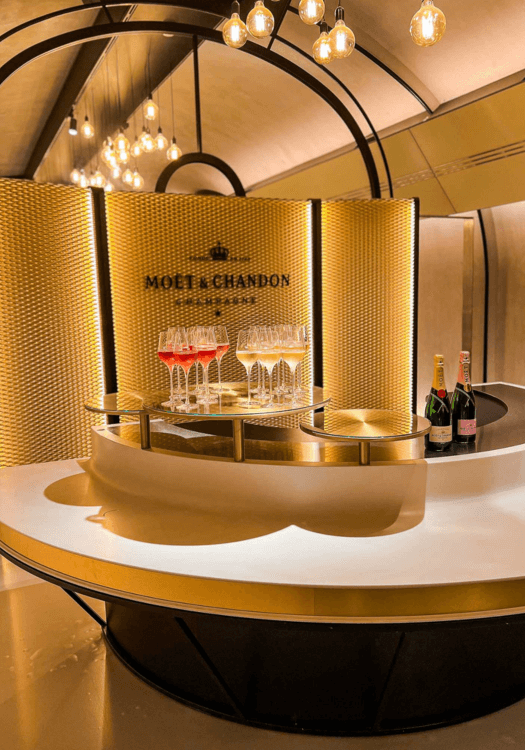
Explore Épernay, France, and indulge in the world of Champagne. Explore the renowned Avenue de Champagne, tour prestigious cellars, and taste exquisite vintages. Our guide highlights the best Champagne experiences, uncovering the rich history and elegance that make Épernay a must-visit destination for wine lovers.

Things to do at the D-Day Beaches in Normandy: Utah Beach and its landing museum, the church at Sainte-Mère-Église where a paratrooper’s effigy still hangs from the steeple, the Richard Winters Leadership Monument, La Fière’s “Iron Mike,” and the German bunkers still standing along the dunes. A full guide with hours, addresses, and a rainy day we won’t forget.

A first-hand Loire Valley travel guide to Chenonceau, Chambord, and Amboise — where to stay, what to see, and lessons learned across two trips through France’s château country.
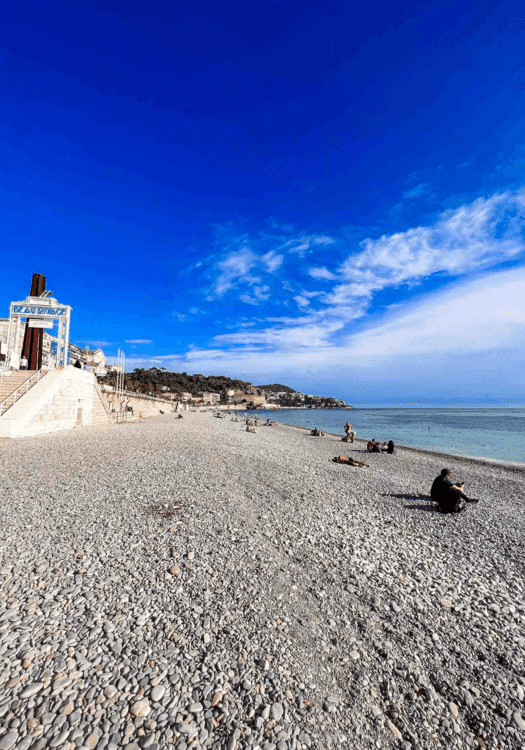
Travel the French Riviera and bask in the sun-soaked glamour of this Mediterranean paradise. Explore charming coastal towns, luxurious beaches, and vibrant markets. Our guide reveals the best of the Riviera’s chic resorts, stunning views, and the perfect blend of relaxation and elegance.

Travel Normandy, France, and explore a region rich in history and natural beauty. Visit the iconic D-Day beaches, wander through picturesque villages, and marvel at stunning landscapes. Our guide uncovers the best of Normandy’s cultural heritage, cuisine, and unforgettable coastal charm.

Visit Mont Saint-Michel in France and experience the magic of this iconic island abbey. Explore its medieval architecture, winding streets, and breathtaking views of the surrounding bay. Discover the history, charm, and beauty of Mont Saint-Michel.
Subscribe to my weekly newsletter. I don’t send any spam email ever!
