
Things to Do in Historic Amboise: From the Royal Château to a Loire Valley Wine Break
Things to do in historic Amboise, France — the royal château, Leonardo da Vinci’s final home at Clos Lucé, market shopping, and a Loire Valley wine tasting.
 Skip to content


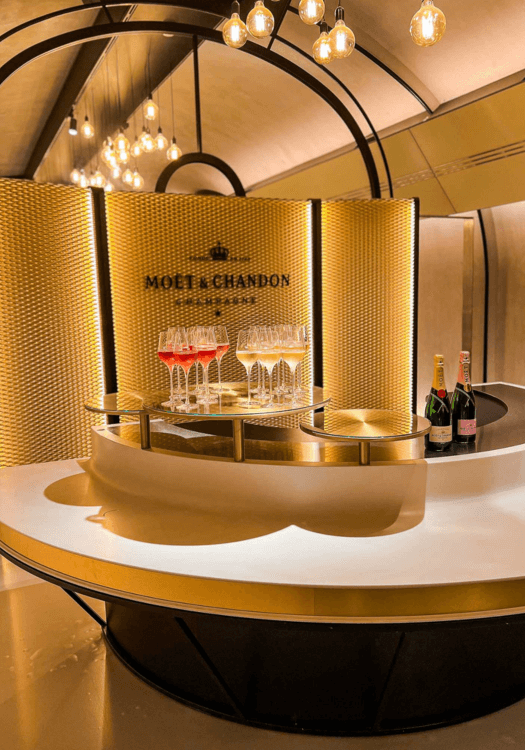


 My first visit to Epernay, with my husband by my side, was an enchanting day trip from Paris. We boarded the train, enjoying a leisurely ride filled with card games and the serene beauty of the French countryside. As we arrived, Epernay unfolded like a storybook—a town where the elegance of champagne and the charm of its streets create a magical atmosphere. When I returned with a dear friend, the town’s allure was just as captivating. Epernay, with its easy accessibility from Paris, offers an unforgettable blend of beauty, history, and the finest champagne—a true gem in the heart of France.

This charming town, nestled along the banks of the Marne River, covers an area of approximately 10.5 square miles and is home to a population of around 23,000 residents. The town is surrounded by rolling vineyards that stretch across the landscape, covering nearly 34,000 hectares in the region. These vineyards are the lifeblood of Epernay, producing the grapes that are transformed into some of the world’s most celebrated Champagnes. The town itself is home to many of the most prestigious Champagne houses, including Moët & Chandon, Perrier-Jouët, and Pol Roger, each with its grand cellars located beneath the famous Avenue de Champagne.This avenue is often described as the most prestigious address in the world, lined with stately mansions and vast underground cellars where millions of bottles of Champagne are stored.


 Epernay, nestled in the heart of France’s Champagne region, is a town steeped in history and synonymous with the world’s most famous sparkling wine. Founded in the 5th century, Epernay’s early history is intertwined with the tumultuous events of medieval Europe, including invasions by the Huns and the Vikings. Despite these challenges, the town flourished due to its strategic location along the Marne River, becoming a vital center for trade and commerce.
However, Epernay’s true rise to prominence began in the 18th century when it emerged as the epicenter of Champagne production. The town’s chalky subsoil, perfect for storing wine, led to the establishment of world-renowned Champagne houses, such as Moët & Chandon, Perrier-Jouët, and Pol Roger. These grand maisons transformed Epernay into a global symbol of luxury and celebration.
The Avenue de Champagne, often referred to as the world’s most expensive street, reflects this rich heritage, lined with elegant mansions and miles of underground cellars where millions of bottles of Champagne age to perfection.
 The Champagne region in France is synonymous with luxury, celebration, and a rich winemaking tradition that dates back centuries. Located in the northeastern part of the country, Champagne covers an area of about 84,000 acres of vineyards, making it one of the most famous wine-producing regions in the world. The region is divided into several sub-regions, including Montagne de Reims, Vallée de la Marne, and Côte des Blancs, each known for its unique terroir and grape varieties.
Champagne is home to over 16,000 growers and nearly 320 Champagne houses, producing around 300 million bottles of Champagne annually. The region’s population is approximately 1.3 million, with many residents involved in the viticulture and winemaking industry.
What sets Champagne apart from other sparkling wines, such as Cava or Prosecco, is the strict set of regulations governing its production, enshrined in the appellation d’origine contrôlée (AOC) system. Only sparkling wine produced in the Champagne region, using specific methods—most notably the traditional method, or méthode champenoise—can legally be called Champagne. This method involves a secondary fermentation in the bottle, which creates the fine bubbles that Champagne is known for.
The unique combination of climate, chalky soil, and meticulous production techniques gives Champagne its distinct flavor profile, characterized by its crisp acidity, delicate bubbles, and complex aromas. The name “Champagne” itself has become synonymous with the pinnacle of sparkling wine, a symbol of quality and sophistication that is unmatched anywhere else in the world.
 The journey through Epernay begins on the legendary Avenue de Champagne, a boulevard often dubbed “the most expensive street in the world.” This mile-long stretch is home to some of the most renowned Champagne houses, including Moët & Chandon, Perrier-Jouët, and Pol Roger. Beneath the cobblestone street lies over 60 miles of chalk cellars, where millions of bottles of Champagne age to perfection.
As you stroll down the Avenue de Champagne, you’ll be captivated by the grand 19th-century mansions that house these illustrious brands. Each building is a testament to the town’s rich history, with architecture that reflects the opulence and elegance of the Champagne industry. Many of these Champagne houses offer guided tours that take you behind the scenes, offering a glimpse into the meticulous process of Champagne production and the history that has shaped this iconic region!
Click here for directions to Avenue de Champagne.
 A visit to Epernay would be incomplete without a tour of Moët & Chandon, one of the world’s most famous Champagne houses. Founded in 1743 by Claude Moët, this prestigious brand has become synonymous with luxury and celebration. The house’s history is intertwined with that of European royalty, with its Champagne gracing the tables of kings, queens, and emperors for centuries.
 The Moët & Chandon tour begins at the grand entrance of the estate, where you are greeted by the elegant façade of the 18th-century mansion that serves as the company’s headquarters. Inside, the atmosphere is one of refined luxury, with marble floors, crystal chandeliers, and rich tapestries adorning the walls. The tour takes you through the cellars, a vast network of tunnels carved out of chalk that stretches for 17 miles beneath the town. Here, millions of bottles of Champagne are stored, aging in the perfect conditions provided by the cool, constant temperature of the cellars.
One of the highlights of the tour is the chance to see the historic cask gifted to Moët & Chandon by Napoleon Bonaparte. This cask stands as a symbol of the house’s long-standing relationship with European royalty and its role in the history of Champagne. The tour concludes with a tasting session, where you can sample some of the house’s finest offerings, from the classic Brut Imperial to the exclusive Dom Pérignon, a brand created by Moët & Chandon in honor of the Benedictine monk who played a key role in the development of Champagne.
Click here for directions to Moet & Chandon.
 For a more intimate and exclusive experience, a visit to the is a must. Located within the Moët & Chandon estate, Dom Pérignon is considered the pinnacle of Champagne, known for its exceptional quality and limited production. The brand was established in the 1920s as a tribute to Dom Pérignon, the monk who perfected the art of blending different grape varieties to create a consistent and superior wine.
The Dom Pérignon tour is a sensory journey that takes you through the history and craftsmanship behind each bottle. The cellars, smaller and more secluded than those of Moët & Chandon, exude an atmosphere of reverence and exclusivity. Your guide will explain the rigorous standards that each vintage of Dom Pérignon must meet before it is released, highlighting the unique qualities that define each year’s harvest.
The tour culminates in a private tasting, where you’ll have the opportunity to savor the complex flavors and fine bubbles that make Dom Pérignon a symbol of luxury. Whether you’re a seasoned connoisseur or a novice, the experience of tasting Dom Pérignon in the very place where it is created is truly unforgettable.
Click here for directions to Dom Pérignon.
 Beyond the Avenue de Champagne, the rolling vineyards of Epernay beckon. The Champagne region’s unique terroir, characterized by its chalky soil, cool climate, and gently sloping hills, is what gives Champagne its distinctive flavor and effervescence. The vineyards around Epernay are some of the oldest in the region, with many having been cultivated for centuries.
One of the best ways to explore these vineyards is by taking a guided tour, which often includes a walk through the vines, a visit to a local winery, and a tasting of the estate’s Champagne. As you wander through the rows of vines, you’ll learn about the various grape varieties used in Champagne production—Pinot Noir, Pinot Meunier, and Chardonnay—and the meticulous care that goes into growing and harvesting the grapes.
The Champagne houses of Epernay take great pride in their vineyards, and many are committed to sustainable practices that preserve the health of the land for future generations. A vineyard tour offers a deeper understanding of the connection between the land and the wine, and it’s a chance to experience the beauty of the Champagne region up close.
 One of the most striking landmarks in Epernay is the Église Notre-Dame, a beautiful neo-Gothic church located in the center of town. Built between 1898 and 1915, this church replaced an earlier medieval building that had suffered extensive damage. The church’s architecture is a blend of Gothic and Romanesque styles, with a soaring spire, intricate stone carvings, and stunning stained glass windows.
Inside, the Église Notre-Dame offers a peaceful and contemplative atmosphere, with a sense of history that permeates every corner. The church is not only a place of worship but also a symbol of Epernay’s resilience and spiritual heritage. Whether you’re attending a service or simply admiring the architecture, a visit to the Église Notre-Dame is a moment of tranquility in the midst of your Champagne journey.
Click here for directions to Église Notre-Dame.
 While much of Epernay’s medieval architecture was destroyed over the centuries, the Portail Saint-Martin remains as a testament to the town’s ancient past. This Gothic portal is all that remains of the 16th-century Church of Saint-Martin, which was demolished during the French Revolution. The intricate stone carvings and detailed sculptures on the portal are a reminder of the town’s rich architectural heritage.
Click here for directions to Portail Saint-Martin.
 The Monument aux Martyrs de la Résistance in Epernay, France, stands as a solemn tribute to the bravery and sacrifice of those who fought against oppression during World War II. Located in a quiet, reflective area of Epernay, this memorial obelisk honors the local members of the French Resistance who gave their lives in the fight for freedom. The obelisk, with its clean lines and austere design, serves as a powerful symbol of resilience and courage.
Click here for directions to The Monument aux Martyrs de la Résistance.
 Épernay, the heart of France’s Champagne region, is an ideal starting point for exploring other travel destinations. Just 90 miles away, the vibrant city of Paris invites you to explore its iconic landmarks, from the Eiffel Tower to the Louvre, offering a blend of culture and history that’s hard to match. For a coastal escape, head 200 miles northwest to Honfleur, where the picturesque harbor and cobblestone streets provide a serene retreat full of charm.
Journey 300 miles west to the awe-inspiring Mont Saint-Michel, a medieval abbey perched on a tidal island, offering one of France’s most breathtaking sights. If you’re interested in exploring France’s royal history, the Loire Valley lies 250 miles to the southwest, where you can wander through grand châteaux like Chambord and Chenonceau, set against a backdrop of lush vineyards.
For a blend of French and German influences, head 200 miles east to Strasbourg. This city, with its half-timbered houses, stunning cathedral, and rich culinary scene, offers a unique cultural experience. Further afield, 650 miles to the southeast, the French Riviera beckons with its sun-soaked beaches and glamorous towns like Nice and Villefrance Sur Mer. Each of these destinations provides a unique complement to the Champagne experience, making Épernay a perfect hub for discovering France’s diverse beauty.




Things to do in historic Amboise, France — the royal château, Leonardo da Vinci’s final home at Clos Lucé, market shopping, and a Loire Valley wine tasting.

A first-hand travel guide to Château de Chenonceau — hours, tickets, the gallery over the Cher, and the women who shaped it, from real visits to the Loire Valley.

Planning a trip to the Loire Valley’s largest château? This Château de Chambord travel guide covers hours, tickets, what to see inside, and tips from real visits.

A first-person road trip itinerary from Paris through Normandy — Honfleur, the D-Day Beaches, and Mont Saint-Michel — ending in the Loire Valley, with driving times, where we stayed, and the rental car lesson we learned the hard way.

Discover 30 of the best things to do in Lille, France, from Old Lille and the Vieille Bourse to museums, markets, Flemish food, and easy day trips.

Visiting the Louvre Museum isn’t about seeing everything—it’s about seeing what matters most to you. This guide shows when to go, how to plan your route, avoid overwhelm, and experience the Louvre with intention, curiosity, and time to wander.

Discover the 4 best day trips from Paris, including the royal grandeur of Versailles, champagne tasting in Épernay, medieval charm in Strasbourg, and the fairytale castles of the Loire Valley. Each destination offers history, beauty, and unforgettable experiences just hours away.

Embark on a breathtaking road trip through Northern France, exploring Paris, Normandy’s beaches, charming Honfleur, the fairytale Mont Saint Michel, and the castle-filled Loire Valley. Discover history, beauty, and unforgettable moments on this scenic French adventure from city to coast.

Explore the grandeur of the Palace of Versailles, where opulent halls and sprawling gardens reveal the lavish lives of French royalty. Discover the history, beauty, and intrigue behind Marie Antoinette’s world in this unforgettable journey through one of France’s most iconic landmarks.

Discover 20 unforgettable things to do in Paris, from sipping champagne atop the Eiffel Tower to exploring Montmartre and hidden gems like the Crypte Archéologique. A first-person travel guide through the City of Light’s beauty, history, and soul.

Travel Narbonne, France, and discover the charm of this historic city in the heart of the Languedoc region. Explore ancient Roman ruins, stroll through vibrant markets, and enjoy the relaxed ambiance along the Canal de la Robine. Our guide reveals Narbonne’s rich history and cultural treasures.

This Château d’Amboise Travel Guide explores the spectacular royal residence rising above the Loire River. Discover Leonardo da Vinci’s tomb, magnificent rooms, historic towers, panoramic gardens and the essential details you need to plan your visit.

Plan an easy Loire Valley day trip from Paris by train and rental car, with exact timing for Château de Chenonceau, Amboise, lunch, and Tours.

Discover the best things to do with kids on a Paris family trip. Explore iconic landmarks like the Eiffel Tower, visit the magical Jardin d’Acclimatation, and enjoy a boat ride on the Seine. Our guide offers fun, family-friendly activities for an unforgettable Paris adventure.
Explore Épernay, France, and indulge in the world of Champagne. Explore the renowned Avenue de Champagne, tour prestigious cellars, and taste exquisite vintages. Our guide highlights the best Champagne experiences, uncovering the rich history and elegance that make Épernay a must-visit destination for wine lovers.

Things to do at the D-Day Beaches in Normandy: Utah Beach and its landing museum, the church at Sainte-Mère-Église where a paratrooper’s effigy still hangs from the steeple, the Richard Winters Leadership Monument, La Fière’s “Iron Mike,” and the German bunkers still standing along the dunes. A full guide with hours, addresses, and a rainy day we won’t forget.

A first-hand Loire Valley travel guide to Chenonceau, Chambord, and Amboise — where to stay, what to see, and lessons learned across two trips through France’s château country.
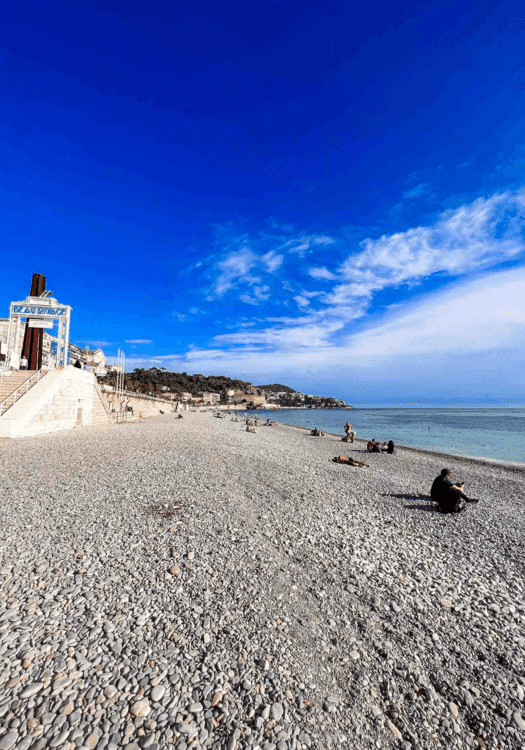
Travel the French Riviera and bask in the sun-soaked glamour of this Mediterranean paradise. Explore charming coastal towns, luxurious beaches, and vibrant markets. Our guide reveals the best of the Riviera’s chic resorts, stunning views, and the perfect blend of relaxation and elegance.