
Things to Do in Historic Amboise: From the Royal Château to a Loire Valley Wine Break
Things to do in historic Amboise, France — the royal château, Leonardo da Vinci’s final home at Clos Lucé, market shopping, and a Loire Valley wine tasting.
 Skip to content




Strasbourg, the capital of the Alsace region in northeastern France, is a city where French and German influences converge to create a cultural tapestry that is both charming and captivating. Spanning about 30 square miles and home to approximately 280,000 residents, Strasbourg is a city that offers a wealth of experiences for travelers. Nestled along the banks of the Rhine River, this city’s rich history stretches back over two millennia, making it one of Europe’s most significant historical centers.
Strasbourg’s role as the official seat of the European Parliament underscores its importance on the global stage, while its designation as a UNESCO World Heritage Site highlights its architectural and cultural treasures. The city’s Grande Île, with its medieval streets and stunning Gothic cathedral, offers a glimpse into the past, where tradition and modernity coexist harmoniously.

For visitors, there are countless things to do in Strasbourg. Explore the breathtaking Strasbourg Cathedral, whose towering spire was once the tallest structure in the world. Wander through La Petite France, a picturesque quarter known for its half-timbered houses and scenic canals. Art enthusiasts will find delight in the city’s museums, such as the Musée d’Art Moderne et Contemporain, which showcases modern masterpieces in a striking contemporary setting.
Strasbourg’s culinary scene is equally enticing, blending French finesse with hearty German flavors. Enjoy a tarte flambée in a cozy winstub or sample the region’s renowned wines in a charming café. Whether you’re drawn by its history, culture, or cuisine, Strasbourg offers a rich and rewarding experience that captures the essence of both France and Germany in one unforgettable city.


 Strasbourg’s history is as complex and fascinating as the city itself. Founded by the Romans in 12 B.C. as Argentoratum, Strasbourg quickly became a strategic military outpost due to its location along the Rhine River. Over the centuries, the city grew in importance, becoming a key center of trade, culture, and religion in medieval Europe. Strasbourg’s unique position at the crossroads of France and Germany has profoundly influenced its history, with the city changing hands between the two nations several times over the centuries.
During the Middle Ages, Strasbourg became a free imperial city within the Holy Roman Empire, allowing it to flourish as a center of commerce and culture. The city’s status as a free city also gave it a degree of independence, which allowed for the development of a vibrant civic life. This period saw the construction of many of Strasbourg’s most iconic landmarks, including the magnificent Strasbourg Cathedral, which remains one of the city’s most significant architectural achievements.
The Protestant Reformation in the 16th century brought significant religious and cultural changes to Strasbourg, as the city became a stronghold of Protestantism in a predominantly Catholic region. This religious diversity is still evident in the city’s architecture and cultural institutions today. Strasbourg’s role as a center of learning and innovation continued into the Renaissance, with the establishment of the University of Strasbourg in 1538, which remains one of France’s leading universities.
Strasbourg’s strategic importance made it a target during various conflicts between France and Germany, most notably during the Franco-Prussian War and both World Wars. The city was annexed by Germany after the Franco-Prussian War in 1871 but returned to French control after World War I. Today, Strasbourg stands as a symbol of Franco-German reconciliation and European unity, hosting several key European institutions, including the European Parliament, the Council of Europe, and the European Court of Human Rights.
 Strasbourg is a city of contrasts, where medieval architecture meets contemporary culture, and where the influence of both France and Germany is evident at every turn. Whether you’re a history enthusiast, a lover of art and culture, or simply looking to enjoy the region’s culinary delights, Strasbourg offers a wealth of experiences to suit every traveler.
 No visit to Strasbourg would be complete without exploring the Strasbourg Cathedral, one of the most stunning examples of Gothic architecture in Europe. The cathedral’s towering spire, which reaches a height of 466 feet, was the tallest structure in the world until the 19th century and remains the tallest surviving structure built entirely in the Middle Ages. The cathedral’s intricate facade, adorned with statues and detailed carvings, is a masterpiece of Gothic artistry, and its interior is equally impressive, with soaring vaulted ceilings, stained glass windows, and a grand organ.
One of the highlights of a visit to the Strasbourg Cathedral is the Astronomical Clock, a marvel of engineering and craftsmanship that dates back to the 16th century. The clock features a complex mechanism that displays not only the time but also the positions of the sun and moon, the day of the week, and the liturgical calendar. Every day at 12:30 PM, the clock’s automated figures come to life in a fascinating display, drawing crowds of visitors to witness the spectacle.
The clock as it stands today is the third version, with the first clock dating back to the early 14th century.
The earliest astronomical clock in Strasbourg Cathedral was constructed between 1352 and 1354. This clock was a significant achievement of its time, combining a mechanical timepiece with astronomical displays. However, very little of this original clock remains, as it eventually fell into disrepair and was replaced.
The second version of the Strasbourg Cathedral Astronomical Clock was created during the Renaissance, a period that saw a renewed interest in science and the arts. This clock was built between 1547 and 1574 by a team of skilled craftsmen and scientists, including mathematician Christian Herlin and clockmaker Conrad Dasypodius, who led the project. Dasypodius was responsible for the design, while the clock’s mechanical components were crafted by the Habrecht brothers, Isaac and Josias, who were renowned clockmakers from Schaffhausen, Switzerland. The Renaissance clock was celebrated for its intricate design and the inclusion of complex astronomical and calendrical functions.
This version of the clock was a marvel of Renaissance engineering, featuring a planetary dial, a calendar, and an ecclesiastical computus for calculating the date of Easter. The clock also included an automaton parade of the apostles, marking the hour with a rooster crowing and the apostles moving in procession. Unfortunately, this clock eventually stopped working around 1788 and was left in a state of disrepair for several decades.
 The current version of the Strasbourg Cathedral Astronomical Clock, which still operates today, was built between 1838 and 1843. This clock was designed by Jean-Baptiste Schwilgué, a Strasbourg-born clockmaker and engineer. Schwilgué was a highly skilled technician who had dreamed of building a new astronomical clock for the cathedral since his youth.
Schwilgué’s clock is a masterpiece of 19th-century engineering and a symbol of the Industrial Revolution’s influence on clockmaking. It features a perpetual calendar, a planetary dial showing the positions of the planets, a display of solar and lunar eclipses, and the official time. The clock also includes a liturgical calendar, marking feast days and religious observances, and an impressive array of automata, including the famous rooster that crows at noon.
Schwilgué’s clock is noted for its precision and complexity. It was one of the most advanced astronomical clocks of its time, combining art, science, and religion in a single, harmonious structure.
 Inside this magnificent structure, a dedication plaque honors the bravery and sacrifice of the American soldiers who fought to free Strasbourg from Nazi occupation in November 1944.The plaque serves as a quiet yet powerful reminder of the cost of freedom, set within the context of a cathedral that has witnessed centuries of European history.
During World War II, the American servicemen played a crucial role in liberating Strasbourg and preserving its historic cathedral from potential destruction. In late 1944, as the Allied forces advanced through France, the city of Strasbourg became a strategic objective due to its location and symbolic significance.
Strasbourg had been under German occupation since the fall of France in 1940, and as the Allies pushed toward the city, there were fears that the retreating German forces might destroy key landmarks, including the Strasbourg Cathedral, as part of a scorched-earth policy. The cathedral, a Gothic masterpiece and one of the most significant religious buildings in Europe, held immense cultural and historical value.
The American 7th Army, under the command of General Alexander Patch, was tasked with liberating Strasbourg. On November 23, 1944, after intense fighting, American forces successfully liberated the city, ensuring that the Strasbourg Cathedral was spared from destruction. The swift and strategic actions of the American servicemen prevented the Germans from carrying out any plans to damage or demolish the cathedral, thereby preserving this iconic structure for future generations.
The liberation of Strasbourg and the preservation of its cathedral stand as a testament to the bravery and skill of the American forces, who recognized the importance of protecting cultural heritage even amidst the chaos of war.
Click here for directions to Strasbourg Cathedral.
 La Petite France is arguably the most picturesque and charming district in Strasbourg. This historic quarter, located on the Grande Île, is characterized by its narrow cobblestone streets, half-timbered houses, and scenic canals. Once home to fishermen, tanners, and millers, La Petite France has retained its medieval charm and is a delight to explore on foot.
As you wander through the district, you’ll come across several iconic landmarks, including the Ponts Couverts (Covered Bridges) and the Vauban Dam. The Covered Bridges, which date back to the 13th century, are no longer covered but still feature the original towers that once guarded the entrances to the city. The Vauban Dam, built in the 17th century, was designed by the famous military engineer Sébastien Le Prestre de Vauban and served as a defensive structure that could flood the southern part of the city in times of attack.
La Petite France is also home to several charming cafes and restaurants, where you can enjoy a leisurely meal while taking in the views of the canals.
Click here for directions to La Petite France.
 Place Gutenberg, located in the heart of Strasbourg, France, is a vibrant square that beautifully captures the city’s blend of history and modern life. Named after Johannes Gutenberg, the inventor of the printing press who lived in Strasbourg during the 15th century, the square features a statue of Gutenberg that honors his revolutionary contribution to communication and knowledge.
Surrounded by a mix of elegant buildings, including the 16th-century Hôtel de Commerce, Place Gutenberg offers a lively atmosphere where locals and visitors alike gather to enjoy the city’s charm. The square is often filled with outdoor cafes, making it an ideal spot to relax and soak in the ambiance while sipping on a coffee or enjoying a local pastry.
Throughout the year, Place Gutenberg hosts various events, including book fairs and markets, reflecting Strasbourg’s rich cultural scene. During the Christmas season, the square transforms into a festive market, complete with twinkling lights and traditional holiday stalls.
Click here for directions to Place Gutenberg.
 Grand Île, the historic heart of Strasbourg, France, is a captivating island surrounded by the Ill River, offering a journey through time within its narrow, winding streets. Recognized as a UNESCO World Heritage site, Grand Île is a testament to Strasbourg’s rich cultural heritage, blending French and German influences in a unique architectural tapestry.
The island is home to some of Strasbourg’s most iconic landmarks, including the towering Strasbourg Cathedral and La Petite France.
Click here for directions to Grand Île.
 Nestled in the heart of Strasbourg, France, Temple Neuf stands as a striking example of neo-Romanesque architecture, reflecting the city’s rich religious and cultural history. Originally built in the 19th century on the site of a former Dominican convent, Temple Neuf was designed to symbolize the resurgence of Protestantism in a region long dominated by Catholicism. Its location on Place du Marché Gayot, just a stone’s throw from the bustling center of Strasbourg, offers a peaceful retreat amid the city’s vibrant energy.
The church’s towering spires and intricate stonework make it an architectural gem, while its spacious interior, adorned with stained glass windows and an impressive organ, creates a serene atmosphere.
Click here for directions to Temple Neuf.

Place Kléber, the vibrant heart of Strasbourg, France, is a bustling square that beautifully encapsulates the city’s dynamic blend of history and modernity. Located in the center of the Grande Île, Place Kléber is named after General Jean-Baptiste Kléber, a native of Strasbourg and a hero of the French Revolutionary Wars. His statue, standing proudly in the middle of the square, serves as a focal point and a reminder of the city’s storied past.
The square is surrounded by a mix of elegant 18th-century buildings and contemporary establishments, making it a hub for both locals and visitors. Place Kléber is also home to Strasbourg’s largest department store, Galeries Lafayette.
During the holiday season, Place Kléber transforms into the centerpiece of Strasbourg’s famous Christmas Market, with a towering Christmas tree and festive stalls that add a magical atmosphere to the square.
Click here for directions to Place Kléber.
 Strasbourg is often referred to as the “Capital of Europe.” The European Parliament is not just a symbol of European unity but also a landmark of modern architecture and political significance. Located on the banks of the Ill River in the city’s European Quarter, the Parliament building, known as the Louise Weiss Building, stands out with its striking glass facade and unique circular structure, embodying the transparency and openness of the European Union.
As the official seat of the European Parliament, Strasbourg plays a pivotal role in shaping the future of Europe. The Parliament meets here for plenary sessions, where elected representatives from all member states debate and make decisions on crucial issues affecting the EU’s 450 million citizens. Visitors to the Parliament can take guided tours that offer a fascinating glimpse into the workings of this key institution, from the impressive Hemicycle where debates take place to the multilingual translation booths that reflect the diversity of the Union.
Click here for directions to European Parliament.
 Strasbourg is a city with a rich cultural heritage, and its museums offer a fascinating insight into its history, art, and culture. One of the most important museums in the city is the Musée de l’Œuvre Notre-Dame, which is dedicated to medieval and Renaissance art from the Upper Rhine region. The museum’s collection includes sculptures, paintings, stained glass, and other artifacts from Strasbourg Cathedral and other historic churches in the region.
For those interested in modern and contemporary art, the Musée d’Art Moderne et Contemporain (MAMCS) is a must-visit. The museum’s collection spans the 19th and 20th centuries, with works by artists such as Gustave Doré, Max Ernst, and Jean Arp. The museum’s striking glass and steel architecture, designed by Adrien Fainsilber, is a work of art in itself.
Another highlight is the Musée Alsacien, which offers a glimpse into the traditional life and culture of the Alsace region. Housed in a series of connected historic buildings, the museum’s exhibits include furniture, clothing, tools, and household items that illustrate the daily life of the Alsatian people from the 18th to the 19th centuries.
For history buffs, the Historical Museum of the City of Strasbourg provides a comprehensive overview of the city’s history, from its Roman origins to the present day. The museum’s exhibits include maps, models, weapons, and other artifacts that tell the story of Strasbourg’s development over the centuries.
 Strasbourg, located in the heart of Alsace, France, offers a culinary experience that beautifully reflects its blend of French elegance and German heartiness. The region’s cuisine is rich, flavorful, and deeply rooted in local traditions, making Strasbourg a paradise for food lovers.
A standout dish is choucroute garnie, a hearty meal featuring sauerkraut slow-cooked in white wine, served with an array of meats, including sausages, smoked pork, and bacon. This dish epitomizes the German influence on Alsatian cuisine and is a must-try for anyone visiting Strasbourg. Another local specialty is baeckeoffe, a savory casserole made with marinated beef, pork, and lamb, layered with potatoes and onions, then slow-cooked to perfection in a sealed clay pot. This dish, traditionally served on Sundays, is a testament to the region’s love for robust, comforting meals.
For a lighter bite, tarte flambée (flammekueche) is a local favorite, featuring a thin, crispy crust topped with crème fraîche, onions, and lardons (bacon). It’s a simple yet satisfying dish that’s perfect for sharing.
Cheese enthusiasts will appreciate Munster, a strong-smelling, soft cheese often enjoyed with bread or potatoes. To complement these hearty dishes, Alsace is renowned for its wines, particularly Riesling and Gewürztraminer, which pair beautifully with the region’s rich cuisine.
For dessert, Kougelhopf, a traditional Alsatian cake with almonds and raisins, is the perfect sweet ending to a meal. Strasbourg’s cuisine, with its blend of French and German influences, offers a rich and memorable gastronomic journey through the flavors of Alsace.
 Strasbourg, with its blend of French and German influences, serves as a perfect launching point for cross-border explorations. Thanks to the Schengen Agreement, the open borders between France and Germany make it incredibly easy to hop between these two culturally rich countries. Just a short drive or even a leisurely bike ride across the Rhine River, and you’re in Germany, where the charming town of Kehl awaits. Stroll along the scenic Rhine promenade, or venture further to the Black Forest, where quaint villages like Gengenbach offer a taste of traditional German life amidst stunning natural beauty.
For a more urban experience, Freiburg is just over an hour away, renowned for its medieval old town, eco-friendly vibe, and vibrant café culture. The transition between France and Germany is seamless, allowing travelers to experience the best of both worlds. Whether you’re sipping Alsatian wine in Strasbourg or enjoying a hearty German beer in Kehl, the ease of crossing the canal adds an extra layer of convenience and excitement to your journey.
 Strasbourg, a captivating city where French and German cultures intertwine, is easily accessible by various modes of transportation, making it a must-visit destination in the heart of Europe. Here’s how to get there:
Strasbourg International Airport (SXB) is just 10 kilometers from the city center, offering domestic and European flights. For international travelers, Frankfurt Airport (FRA), about two hours away, is a major hub with global connections. Car rentals are available at both airports through Hertz, Avis, and Europcar. For flight details, visit Strasbourg Airport or Frankfurt Airport.
Strasbourg is a key stop on the high-speed TGV line, making it easily reachable from Paris in just over two hours via Gare de l’Est. The city is also connected to major European cities like Zurich, Munich, and Luxembourg by regional and international trains. For schedules and tickets, check SNCF.
Budget travelers can take advantage of long-distance bus services such as FlixBus and Eurolines, which connect Strasbourg with cities across France and Europe. Buses arrive at the Gare Routière des Halles, located close to the city center. Visit FlixBus for route information.
Driving to Strasbourg allows you to explore the scenic Alsace region at your own pace. The city is well-connected via the A4 and A35 motorways, linking it to Paris, Germany, and Switzerland. Rental cars are available at airports and train stations, offering flexibility for your journey.
Paris: Strasbourg is about 305 miles from Paris, with a swift 1.75-hour journey by TGV high-speed train, making the French capital easily accessible for a day trip.
Lyon: Located 310 miles away, Lyon can be reached in around 4 hours by car or 3.5 hours by train, offering a delightful opportunity to explore France’s gastronomic capital.
Frankfurt: Just across the border in Germany, Frankfurt is approximately 139 miles from Strasbourg, a 2-hour drive or a quick 1.5-hour train ride, perfect for a seamless international excursion.
Zurich: Switzerland’s largest city, Zurich, is around 142 miles away, with a drive time of 2.5 hours or a direct train ride taking roughly 2 hours.
Luxembourg City: The picturesque city of Luxembourg is about 130 miles from Strasbourg, typically a 2-hour drive, making it an easy cross-border adventure.
Brussels: The Belgian capital is 273 miles away, taking around 4 hours by train or car, ideal for a weekend getaway exploring the heart of Europe.
Munich: For a longer journey, Munich is approximately 223 miles from Strasbourg, a 3.5-hour drive or 3-hour train ride, offering a gateway to Bavaria’s rich culture and history.
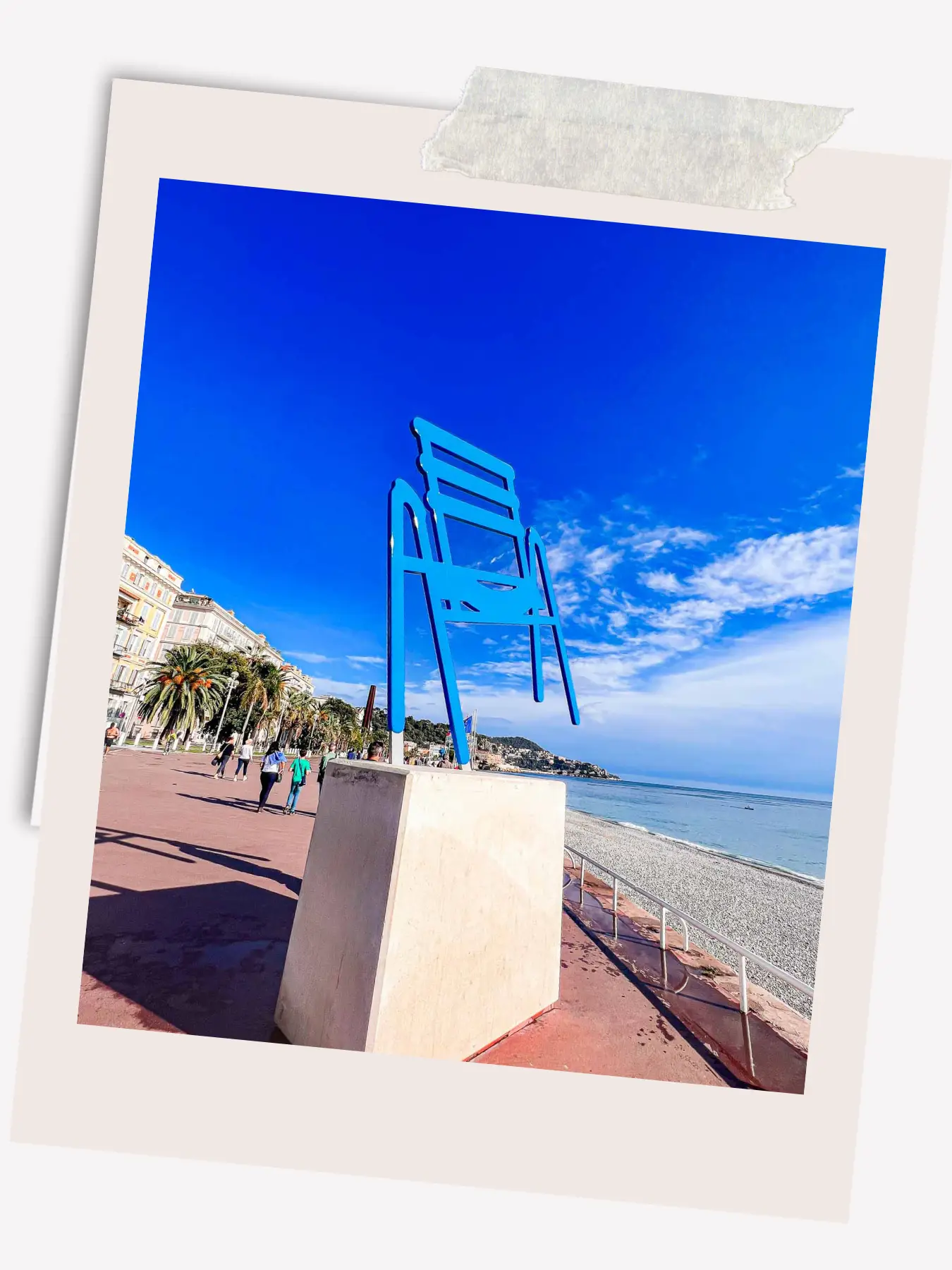 While Strasbourg offers a delightful mix of Alsatian charm and European history, those looking to extend their travels through Europe, can head south to the sun-drenched French Riviera. This glamorous stretch of coastline, with its azure waters and chic resorts, offers a striking contrast to the medieval beauty of Strasbourg. Start your Riviera adventure in Nice, where the Promenade des Anglais invites leisurely strolls along the Mediterranean, and the Old Town bursts with vibrant markets and quaint cafes. A short drive away, the perched village of Èze offers breathtaking views of the sea and a maze of narrow, flower-lined streets that feel like a step back in time.
For a more luxurious travel destination, Monaco beckons with its opulent casinos, yacht-filled harbor, and the regal Prince’s Palace. Further along the coast, Cannes entices with its film festival glamour, sandy beaches, and high-end shopping. The journey from Strasbourg to the French Riviera might take you through the scenic heart of France, but the reward is a slice of Mediterranean paradise. Whether you’re drawn to the cultural vibrancy of Nice, the panoramic beauty of Èze, or the luxurious allure of Monaco, the French Riviera offers an idyllic extension to your Strasbourg itinerary.




Things to do in historic Amboise, France — the royal château, Leonardo da Vinci’s final home at Clos Lucé, market shopping, and a Loire Valley wine tasting.

A first-hand travel guide to Château de Chenonceau — hours, tickets, the gallery over the Cher, and the women who shaped it, from real visits to the Loire Valley.

Planning a trip to the Loire Valley’s largest château? This Château de Chambord travel guide covers hours, tickets, what to see inside, and tips from real visits.

A first-person road trip itinerary from Paris through Normandy — Honfleur, the D-Day Beaches, and Mont Saint-Michel — ending in the Loire Valley, with driving times, where we stayed, and the rental car lesson we learned the hard way.

Discover 30 of the best things to do in Lille, France, from Old Lille and the Vieille Bourse to museums, markets, Flemish food, and easy day trips.

Visiting the Louvre Museum isn’t about seeing everything—it’s about seeing what matters most to you. This guide shows when to go, how to plan your route, avoid overwhelm, and experience the Louvre with intention, curiosity, and time to wander.

Discover the 4 best day trips from Paris, including the royal grandeur of Versailles, champagne tasting in Épernay, medieval charm in Strasbourg, and the fairytale castles of the Loire Valley. Each destination offers history, beauty, and unforgettable experiences just hours away.

Embark on a breathtaking road trip through Northern France, exploring Paris, Normandy’s beaches, charming Honfleur, the fairytale Mont Saint Michel, and the castle-filled Loire Valley. Discover history, beauty, and unforgettable moments on this scenic French adventure from city to coast.

Explore the grandeur of the Palace of Versailles, where opulent halls and sprawling gardens reveal the lavish lives of French royalty. Discover the history, beauty, and intrigue behind Marie Antoinette’s world in this unforgettable journey through one of France’s most iconic landmarks.

Discover 20 unforgettable things to do in Paris, from sipping champagne atop the Eiffel Tower to exploring Montmartre and hidden gems like the Crypte Archéologique. A first-person travel guide through the City of Light’s beauty, history, and soul.

Travel Narbonne, France, and discover the charm of this historic city in the heart of the Languedoc region. Explore ancient Roman ruins, stroll through vibrant markets, and enjoy the relaxed ambiance along the Canal de la Robine. Our guide reveals Narbonne’s rich history and cultural treasures.

This Château d’Amboise Travel Guide explores the spectacular royal residence rising above the Loire River. Discover Leonardo da Vinci’s tomb, magnificent rooms, historic towers, panoramic gardens and the essential details you need to plan your visit.

Plan an easy Loire Valley day trip from Paris by train and rental car, with exact timing for Château de Chenonceau, Amboise, lunch, and Tours.

Discover the best things to do with kids on a Paris family trip. Explore iconic landmarks like the Eiffel Tower, visit the magical Jardin d’Acclimatation, and enjoy a boat ride on the Seine. Our guide offers fun, family-friendly activities for an unforgettable Paris adventure.
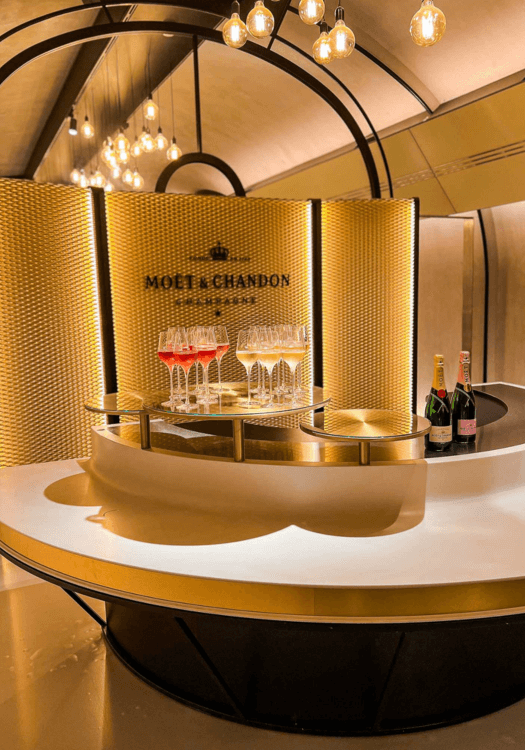
Explore Épernay, France, and indulge in the world of Champagne. Explore the renowned Avenue de Champagne, tour prestigious cellars, and taste exquisite vintages. Our guide highlights the best Champagne experiences, uncovering the rich history and elegance that make Épernay a must-visit destination for wine lovers.

Things to do at the D-Day Beaches in Normandy: Utah Beach and its landing museum, the church at Sainte-Mère-Église where a paratrooper’s effigy still hangs from the steeple, the Richard Winters Leadership Monument, La Fière’s “Iron Mike,” and the German bunkers still standing along the dunes. A full guide with hours, addresses, and a rainy day we won’t forget.

A first-hand Loire Valley travel guide to Chenonceau, Chambord, and Amboise — where to stay, what to see, and lessons learned across two trips through France’s château country.
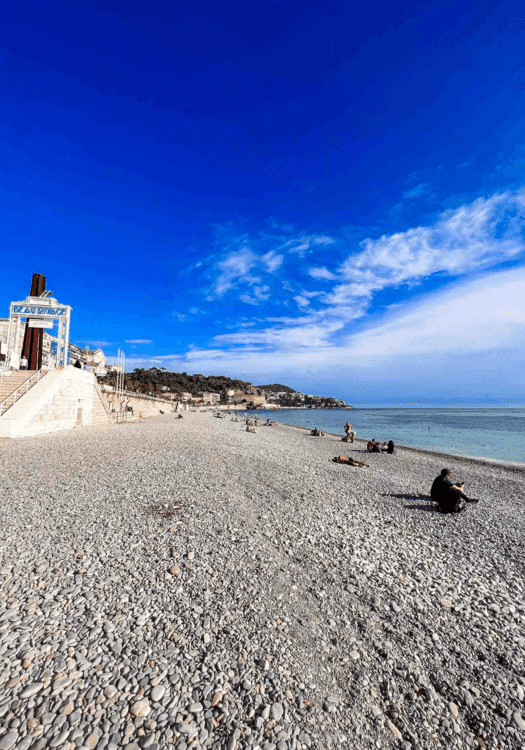
Travel the French Riviera and bask in the sun-soaked glamour of this Mediterranean paradise. Explore charming coastal towns, luxurious beaches, and vibrant markets. Our guide reveals the best of the Riviera’s chic resorts, stunning views, and the perfect blend of relaxation and elegance.