...
Travel barcelona

Discover Barcelona: History, Architecture, and the Soul of Catalonia

Night view of barcelona cathedral’s illuminated gothic façade, with its detailed arched entrance and stained-glass windows glowing in warm light.
City view of barcelona framed by the stone towers of the sagrada família, with cranes and rooftops visible below.

I’ve visited Barcelona in Spain twice, once with my husband and later with my husband and son, and it never ceases to amaze me. The opportunity to travel Barcelona offers endless discoveries, from the stunning Sagrada Família to the lively streets of La Rambla. This vibrant city’s charm and culture make it a destination I’ll always love exploring.

Colorful street art murals on old wooden doors in barcelona’s gothic quarter, featuring a rainbow owl and a surreal child figure holding a strawberry.
My 1600 x 100

Travel

Barcelona

Travel barcelona
My 1600 x 100
Unveiling barcelona’s beauty: gaudí’s sagrada família towers, colorful park güell mosaics, and gothic quarter streets full of charm and history.

Unveiling Barcelona: A Complete Guide to the City’s History, Culture & Barrios

Travel barcelona

I’ve always believed travel reveals more than just landmarks—it unveils stories. In Barcelona, I wandered where ancient ruins cradle contemporary energy, where groundbreaking architecture coexists with medieval alleyways, and the vibrant street life pulses with a uniquely Catalan rhythm. In this post, let me guide you through the city’s soul—from its layered history to its thriving present—not just the must‑see sights, but the very spirit that pulses beneath them.

Travel barcelona

Barcelona, a captivating city nestled on the Mediterranean coast, is one of Europe’s most dynamic and enchanting travel destinations. From its sun-soaked beaches to its architectural wonders, Barcelona offers a unique blend of culture, history, and modern energy. Traveling Barcelona is a feast for the senses, and whether you’re an art enthusiast, a foodie, or a beach lover, this city in Spain promises an unforgettable experience.

My 1600 x 100

Barcelona Unveiled - Explore This Guide

My 1600 x 100

The Soul of the City: Catalan Culture & Identity

Collage of catalan culture in barcelona featuring castellers (human towers) in front of la sagrada família, the palau de la generalitat with a solidarity banner, and a catalan flag hanging from a balcony.
The soul of barcelona — catalan identity expressed through castellers, historic government buildings, and the red-and-yellow senyera flag.

To truly understand Barcelona, you first need to understand Catalonia, the region of northeastern Spain where the city is both the capital and cultural heart. Catalonia has its own language—Catalan—a Romance language closer to French and Italian than Spanish. You’ll hear it spoken in cafés, see it on street signs, and notice how locals naturally switch between Catalan and Spanish in daily life. 

Catalonia has a long history of seeking autonomy, and that spirit of independence is woven into Barcelona’s daily rhythm. The red-and-yellow-striped Senyera flag flies proudly from balconies, and during local festivals the entire city feels like a stage for cultural pride.

Traditions That Reveal the Catalan Spirit

The Castells

Human towers that rise skyward during festivals, sometimes reaching ten levels high. Entire communities participate, from children climbing to the very top to grandparents forming the base. Declared a UNESCO Intangible Cultural Heritage of Humanity, Castells capture the Catalan ethos: strength, balance, courage, and teamwork.

Catalan Inspired Cuisine

Catalan cuisine celebrates the Mediterranean’s bounty with bold simplicity. Beyond classics like pa amb tomàquet and smoky escalivada, rice is central to the table—think arròs negre made with squid ink, or fideuà, paella’s noodle-based cousin. One of my favorite moments was sitting in La Boqueria, sharing a plate of paella as the market buzzed around us—an experience that seemed to captured the true essence of Catalan life: food, community, and celebration.

The Sardana

Crowd of people performing the traditional catalan sardana dance in a public square in barcelona, holding hands in a circle under bright sunlight.
The sardana — catalonia’s traditional circle dance, symbolizing unity and cultural pride, often performed in barcelona’s plazas.

The Sardana – In plazas across the city, you may stumble upon circles of dancers, hand in hand, moving with quiet dignity to the music of flabiol (a Catalan flute). 

Barcelona is many things—modern, historic, cosmopolitan—but at its core it beats with a Catalan heart, a rhythm that sets it apart from any other city in Spain.

Catalonia at a Glance

My 1600 x 100

The Layers of Barcelona’s History

Close-up of the gothic archway entrance of the basilica de santa maria del mar in barcelona, illuminated at night.
Standing before the basilica de santa maria del mar, i felt the weight of barcelona’s medieval past — a church built by the city’s sailors and merchants, layer upon layer of history. Photo by: lola zoch

Every city wears its past, but Barcelona stacks its centuries like pages in a book, one era pressing against the next, never fully erasing what came before. Beneath the hum of scooters and café chatter, Roman stones still anchor the city’s foundations, while medieval bell towers cast their shadows over plazas alive with modern energy. To walk here is to move through time—one moment tracing the outlines of Barcino’s ancient walls, the next slipping into Gothic alleyways where kings and explorers once stood. Barcelona’s history is not locked in museums; it rises around you and unfolds as a living backdrop to daily life.

Through my lens - Barcelona's layers of History

My storied journeys

Exploring Each of Barcelona's Historic Layers

The Roman City (Barcino)

Collage of roman heritage in barcelona showing the roman wall and gate with aqueduct arches at plaça nova, the only surviving circular roman tower of barcelona, and the ancient roman necropolis of via sepulcral romana with tombs from the 1st–3rd centuries ad.
Barcelona’s roman legacy: the plaça nova wall and aqueduct gate, the city’s last surviving circular roman tower, and the burial grounds of via sepulcral romana at plaça nova, the roman tower beside the ancient city walls, and the necropolis of via sepulcral romana. Photos by lola zoch

Imagine a city born of Roman stones—Barcino—where foundations planted millennia ago still shape today’s narrow grids. At the Museum of the History of Barcelona (MUHBA), the underground archaeological site reveals remnants of the Roman walls, ancient layouts, and even the Temple of Augustus columns—it gave me quiet reminders of beginnings that gave the city its name and form.

The Medieval Heart: Gothic Quarter & El Born

Collage of barcelona’s gothic quarter featuring narrow alleys with hanging flags, the illuminated barcelona cathedral with visitors on its steps, and the pont del bisbe bridge over a medieval street.
I loved exploring barcelona’s gothic quarter — from wandering flag-draped alleys to marveling at the cathedral and passing beneath the iconic pont del bisbe.

Stepping from Barcino into the Barri Gòtic is like stepping into a medieval reverie—stone alleys twisting, shadows lingering. It was so easy to get lost, and we did. But it felt like less of a mistake and more of an adventure. The soaring Barcelona Cathedral, the stately Plaça del Rei where Columbus once stood before monarchs, or the elegant Basilica of Santa María del Mar—all evoke a city shaped by centuries of devotion and urban morphing.

Popular Tours For The Gothic Quarter

The Modernist Revolution: The Genius of Gaudí

Collage of la sagrada família in barcelona showing its soaring exterior towers under construction, the intricate interior columns and stained glass, and a couple smiling inside the basilica.
I loved experiencing la sagrada família with my husband and son — from its breathtaking towers outside to the kaleidoscope of light inside, it remains one of barcelona’s most awe-inspiring treasures.

Antoni Gaudí’s Barcelona is surreal, poetic, and infused with the rhythms of nature. Born in 1852 in Reus, a town south of Barcelona, Gaudí studied architecture in the Catalan capital and made it the canvas for his genius. Over the course of his life, he designed more than a dozen major works in Barcelona, seven of which are now recognized as UNESCO World Heritage Sites. His architecture feels alive: the soaring yet still-incomplete Sagrada Família, begun in 1882 and still under construction; the organic whimsy of Park Güell, originally conceived as a garden city; and the skeletal curves of Casa Batlló and Casa Milà (La Pedrera), both lining the grand avenues of the L’Eixample. Each of his works really spoke to me, it seemed like such an artistic rebellion, I can’t imagine what people thought back then, now we only know it as genius, and that it transformed Barcelona into a city like no other.

My storied journeys

Seven of Gaudí’s works are UNESCO World Heritage Sites, proof that one architect’s vision reshaped both Barcelona and modern architecture.

Through my lens - Barcelona's Sagrada Família

Gaudí’s UNESCO World Heritage Works in Barcelona

UNESCO inscribed Gaudí’s creations as “Works of Antoni Gaudí” because they represent a breakthrough in architectural history. His use of organic forms, color, and engineering innovation pushed design beyond the boundaries of his era, blending artistry with structural daring. More than monuments, his buildings embody Catalan identity, intertwining faith, folklore, and nature. 

Popular Tours For Sagrada Familia

Through my lens - Barcelona's Park Güell

How to Experience Gaudí in a Day

Morning 

Start at La Sagrada Família – book skip-the-line tickets early. Allow at least 90 minutes to take in the soaring nave, museum, and ongoing construction.

After visiting Basílica de la Sagrada Família, walk the 1.1 miles to the grand Passeig de Gràcia to admire Casa Batlló and Casa Milà (La Pedrera). Even a façade view is unforgettable, but interior tours are worth it.

Popular Tours to Enhance Your Experience

Afternoon

Head up to Park Güell for mosaics, gingerbread-style gatehouses, and sweeping views over Barcelona. Reserve entry in advance.

Pause for a long Catalan lunch nearby—pa amb tomàquet with olive oil, grilled fish, or tapas to recharge.

Popular Tours to Enhance Your Experience

Evening

End at Palau Güell, near La Rambla. Its ornate interiors and kaleidoscopic rooftop tiles glow beautifully in the late light.

If time allows, catch a performance at the Palau de la Música Catalana—an architectural jewel of the Modernisme movement and one of Gaudí’s contemporaries.

Insider Tip: Space out your visits with plenty of walking breaks. Gaudí’s architecture is best appreciated slowly—each curve, tile, and color reveals itself in layers.

Popular Tours to Enhance Your Experience

20th-Century Barcelona: Civil War & Renewal

Camp nou stadium in barcelona, home of fc barcelona, with colorful seats and pitch view.
Inside camp nou, the home of fc barcelona and an iconic olympics venue.

Barcelona endured dark years as a Republican stronghold during the Civil War and under Franco’s repression. Yet the city revived, culminating in the 1992 Olympic Games. The event reshaped its coastline into beaches and promenades, a symbol of rebirth that reintroduced Barcelona to the world with a new, modern identity.

That same century saw the rise of another force shaping Barcelona’s identity: football. The city’s beloved club, FC Barcelona, came to embody Catalan pride during the dictatorship, when cheering for “Barça” became as much an expression of culture as of sport. Their home ground, Camp Nou, opened in 1957, is one of the largest stadiums in Europe and a cathedral of football where generations of fans have gathered. Here, legends like Messi etched their names into history, dazzling crowds and turning Barcelona into a global capital of the sport. For many visitors, stepping into Camp Nou is not just about football—it’s about experiencing the passion, pride, and spirit that make Barcelona more than a city, but a way of life.

Untitled design 2

⚽ Camp Nou Visitor’s Guide

  • Camp Not Location – Situated in the Les Corts district, just 20 minutes from central Barcelona. Click here for directions to Camp Nou.

  • Capacity – Europe’s largest football stadium, with over 99,000 seats.

  • History – Opened in 1957, Camp Nou has hosted iconic matches, including Champions League finals and international tournaments.

  • Messi’s Legacy – Lionel Messi spent more than 20 years with FC Barcelona, becoming the club’s all-time leading scorer and a symbol of football greatness.

  • Tours & Museum – Visitors can step onto the pitch, explore the locker rooms, and tour the FC Barcelona Museum, one of the most visited museums in Catalonia.

  • Matchday Magic – On game nights, the stadium pulses with chants of “Més que un club” (“More than a club”), a motto reflecting Barça’s role as a symbol of Catalan pride.

Tip: Book tours in advance—whether a matchday experience or a behind-the-scenes visit—to avoid long waits and secure the best slots.

Popular Tours For FC Barcelona & Messi

My 1600 x 100

The Modern City: Urban Life & Vibe

Panoramic view of barcelona’s cityscape with colorful rooftops, historic churches, and distant hills under a bright blue sky.
A view of barcelona, from our hotel balcony. From medieval spires to modern rooftops — all framed by the mediterranean light.

Barcelona isn’t just a museum of history—it’s a living, breathing city, best experienced block by block, barrio by barrio. Each neighborhood feels like its own universe, shaped by traditions, architecture, and the rhythm of daily life. Wander long enough and you’ll notice how seamlessly the ancient and the contemporary fold into one another. From my eye, it looked as if the city had never truly shed its past, only carried it forward into the present with style and spirit. The beating heart of this balance is Ciutat Vella, the “Old City,” where Gothic alleyways spill into sunlit plazas and where Las Ramblas unfurls as the city’s most famous promenade, alive with flowers, cafés, and street performers. 

Here is my guide to the barrios—the neighborhoods that give Barcelona its distinct character and make the city feel endlessly discoverable.

My Guide to Barcelona's Barrios

Map of barcelona highlighting major neighborhoods: gràcia, l’eixample, el raval, gothic quarter, el born, and la barceloneta.
Barcelona’s neighborhoods at a glance — from historic gothic quarter and trendy el born to beachside barceloneta, modernist l’eixample, lively el raval, and bohemian gràcia.

Barri de Gràcia

View of barcelona’s gràcia neighborhood with tree-lined streets, modern apartments, and gaudí’s casa milà visible in the distance.
I loved how gràcia still feels like a village within the city — its plazas, fiestas, and charm made it one of the most authentic parts of barcelona.

Once an independent village, Gràcia still feels like a small town tucked inside the metropolis. Its narrow streets open into lively plazas where locals gather late into the evening. Festivals like Festa Major de Gràcia transform the district each summer with colorful decorations and music, offering a glimpse into Barcelona’s community spirit. To me, Gràcia felt more like a village fiesta than part of a global city.

Barri de Gràcia Accommodations

My storied journeys suitcase 2

Browse hotels and VRBO vacation rentals in the Gràcia Barrio and book the ideal place to experience Barcelona like a local.

L'Eixample District

Aerial view of barcelona’s l’eixample district with its grid-like streets, alongside a detailed shot of colorful modernist architecture.
Barcelona’s l’eixample, with its iconic grid layout and elegant modernist facades, blends order with artistry — a district where urban planning meets architectural beauty.

Laid out in a perfect grid by Ildefons Cerdà in the 19th century, L’Eixample is where Barcelona spreads its wings wide. Wide boulevards lined with elegant apartments and boutiques are punctuated by Gaudí’s icons—Casa Batlló, La Pedrera, and the ever-rising spires of the Sagrada Família. It’s the heart of modern Barcelona, where history and shopping meet in equal measure. From my eye, walking here felt like moving through an open-air museum—each block another showcase of design, yet pulsing with the ordinary life of cafés and shopfronts.

L’Eixample District Accommodations

My storied journeys suitcase 2

Browse hotels and VRBO vacation rentals in the Eixample and book the ideal place to experience Barcelona like a local.

El Raval

Narrow alleyway in el raval, barcelona, lined with tall historic buildings, balconies, and local shops.
My very first stay in barcelona was in el raval, a lively neighborhood where narrow alleys pulse with character, color, and the energy of daily life.

Gritty, multicultural, and endlessly fascinating, El Raval pulses with street art, eclectic eateries, and a raw creative energy. It’s home to the MACBA (Museum of Contemporary Art) and small galleries that keep the district on the cutting edge of culture. Here, you feel Barcelona’s global heartbeat. I stayed here on my first visit to Barcelona. It was walking distance to La Rambla and the Gothic Quarter, but lacked the energy of the Gothic Quarter which is where I stayed on my second visit to Barcelona.

El Raval Accommodations

My storied journeys suitcase 2

Browse hotels and VRBO vacation rentals in the El Raval Barrio and book the ideal place to experience Barcelona like a local.

Barceloneta Beach

Scenes of la barceloneta in barcelona showing the sandy beach, vibrant promenade with vendors, and historic seaside buildings.
La barceloneta is barcelona’s iconic seaside neighborhood, where golden beaches, bustling promenades, and colorful streets capture the city’s coastal soul.

Once the barrio of fishermen, today Barceloneta is where the city meets the sea. Beachfront tapas bars, seafood restaurants, and a promenade buzzing with cyclists and rollerbladers make it a natural escape. By day, the beaches fill with sun seekers; by night, the scent of grilled sardines and salt air lingers. I loved walking the promenade in the mornings, it looked as if the whole city had spilled onto the sand—families, musicians, endless tables of men playing dominos and friends blending into the rhythm of the waves.

Barceloneta Beach Accommodations

My storied journeys suitcase 2

Browse hotels and VRBO vacation rentals in the Barceloneta Beach Barrio and book the ideal place to experience Barcelona like a local.

El Born Barrio

Colorful flowerpots decorate a narrow alley in el born, barcelona, with plants spilling into the historic street.
The charm of el born — narrow medieval streets adorned with flowers, small shops, and a vibrant local spirit.

Stylish and historic, El Born blends medieval charm with modern nightlife. Anchored by the elegant Santa Maria del Mar basilica and the Picasso Museum, it’s a place where tapas bars spill into cobbled lanes, making it one of the city’s most atmospheric quarters. I didn’t stay here, but I spent the most time here, this is where we saw two acoustic guitar concerts in the Santa Maria Del Mar basilica. Pure magic!

El Born Accommodations

My storied journeys suitcase 2

Browse hotels and VRBO vacation rentals in the El Born Barrio and book the ideal place to experience Barcelona like a local.

The Gothic Quarter (Barri Gòtic)

Stone archway opening into plaça sant felip neri, a quiet square in barcelona’s gothic quarter known for its history, cobblestone charm, and medieval architecture.
Wandering through the gothic quarter feels like stepping back in time — hidden plazas like plaça sant felip neri reveal barcelona’s most intimate and historic corners.

The oldest heart of Barcelona, the Gothic Quarter feels like stepping into another era. Its twisting alleys open into hidden squares, lined with centuries-old stonework. Here you’ll find the Barcelona Cathedral, traces of Roman walls, and a sense of history layered with the energy of street performers and cafés tucked under arches. I loved it here, I stayed here, I loved the energy, but we were on an alley with an Irish Bar below our room. It was lively all night long!

The Gothic Quarter Accommodations

My storied journeys suitcase 2

Browse hotels and VRBO vacation rentals in the The Gothic Quarter and book the ideal place to experience Barcelona like a local.

Barcelona Barrios at a Glance

🌿 Stay Green in Barcelona: Eco-Certified Hotels

Choosing where you stay can make a difference. Barcelona is home to a growing number of eco-certified hotels that prioritize sustainability without sacrificing comfort. These properties conserve energy, reduce waste, and support local communities—all while giving you a memorable experience in the heart of the city.

Eco Stay Checklist: Barcelona Hotels

Look for these signs when booking your stay:

  • EU Ecolabel → Official EU sustainability standard

  • Biosphere Certified → Widely used in Barcelona for eco-commitment

  • LEED / Green Key → Global certifications for energy & resource efficiency

  • Local sourcing → Hotels that serve seasonal, local food

  • Zero-waste practices → Recycling, reduced plastics, water-saving systems

Explore eco-certified hotels in Barcelona (Expedia affiliate link)

My 1600 x 100

Barcelona's Beach and Hills

Barcelona is a rare city where you can dip your toes in the sea and, in the same afternoon, climb hills for sweeping views.

The Beaches

Barceloneta beach barcelona barrio
Sunny day at barceloneta beach: locals playing dominoes by the promenade, wide sandy shores, and the w barcelona hotel overlooking the mediterranean.

Barcelona’s coastline hums with energy: paddleboarding at sunrise, yoga on the sand, Segway rides along the promenade, sailing excursions and catamaran boats gliding into the Mediterranean.

Barceloneta is the most famous and very popular. It is always buzzing—vendors walk the boardwalk offering blankets and shoes, music drifts from cafés, and the air feels alive with movement. We loved strolling here, especially to watch locals play spirited games of dominos and also eat breakfast before a busy day of site-seeing.

For a less crowded beach experience the locals love Mar Bella (Platja de la Marr Bella) and Nova Icaria for a quieter vibe.

What all of these beaches have in common though are that they’re social living rooms where friends picnic, play volleyball, or take a late-afternoon swim.  

Montjuïc Hill

Palau nacional at montjuïc in barcelona, home to the national art museum of catalonia, with cascading fountains and grand staircases.
The palau nacional on montjuïc, home to the national art museum of catalonia, crowns the hill with stunning views and cultural treasures.

Rising above the harbor, Montjuïc is part garden, part history book, and part cultural stage. You can ascend by cable car for sweeping views of the city and sea, then wander into treasures like the Olympic Stadium, the Magic Fountain, and the MNAC (National Art Museum of Catalonia). The recreated village of Poble Espanyol offers a walk through Spain’s regional architecture and crafts, while trails and bike paths wind toward castle-top views. Montjuïc is a reminder that Barcelona is as much about green space and cultural discovery as it is about urban pace.

Popular Tours For Montjuïc

Tibidabo

Collage of tibidabo featuring the temple of the sacred heart, its ornate interior mosaics, and the colorful ferris wheel from the mountaintop amusement park.
Tibidabo balances the sacred and the playful — a mountaintop sanctuary crowned by the temple of the sacred heart alongside a vintage amusement park with sweeping city views.

On the city’s northern edge, Tibidabo rises from the Collserola mountain range, the green backbone that frames Barcelona. At 1,680 feet (512 meters), it is the highest point overlooking the city, just a 20–30 minute trip from downtown. From its summit, the sprawl of Barcelona stretches all the way to the Mediterranean, a panorama that shifts from rooftops to sea in one sweeping glance. The hilltop is crowned by the Temple of the Sacred Heart, its towers visible from nearly every corner of the city, and a charming vintage amusement park that has been entertaining families for more than a century. Tibidabo blends sacred stillness with playful nostalgia, offering visitors both a place of reflection and a joyful escape high above the urban bustle.

Popular Tours For Tibidabo

My 1600 x 100

UNESCO & Historical Designations in Barcelona

Unesco

Barcelona isn’t just a city of lively plazas and beachside cafés—it’s also a city globally recognized for the value of its heritage. Many of its most famous landmarks hold international, national, or regional designations that protect them from damage, regulate urban development around them, and encourage sustainable tourism practices. These protections ensure that future generations can marvel at the same treasures we see today. Understanding these designations helps travelers appreciate not only the beauty of a site but also the responsibility that comes with visiting them respectfully.

Untitled design 2

What the UNESCO & Historical Designations Mean

UNESCO World Heritage Site – Awarded by the United Nations Educational, Scientific and Cultural Organization, this UNESCO designation recognizes cultural or natural sites of “outstanding universal value.” Once inscribed, sites receive international monitoring and funding for conservation and must follow strict guidelines to prevent overdevelopment or unsympathetic renovation. In Barcelona, these sites—largely Gaudí’s works and Modernisme masterpieces—are also models for sustainable tourism, with controlled visitor numbers and reinvestment of ticket sales into preservation.

Bien de Interés Cultural (BIC) – Spain’s highest form of heritage protection, this designation covers monuments, historic gardens, archaeological zones, and artistic treasures of national importance. A BIC classification gives a site legal protection under Spanish law, preventing demolition or alterations that could compromise its integrity. It also obliges authorities to maintain and restore the site, often with government and EU cultural funds aimed at long-term sustainability.

Bé Cultural d’Interès Nacional (BCIN) – This is Catalonia’s regional designation, which recognizes cultural assets of national interest within the autonomous community. It provides regional-level oversight, restoration initiatives, and funding, while ensuring that preservation reflects Catalan cultural identity and traditions. For travelers, this means sites are curated not only as tourist attractions but also as living symbols of Catalonia’s heritage, maintained with pride and care.

Barcelona’s Protected Landmarks at a Glance

🌍  How to Visit Barcelona’s Heritage Sites Responsibly

  • Book tickets in advance – Many UNESCO sites (like Sagrada Família and Park Güell) use timed entries to prevent overcrowding and fund restoration.

  • Visit at off-peak hours – Early mornings or late afternoons reduce pressure on fragile spaces and make for a more enjoyable experience.

  • Respect preservation rules – Don’t touch mosaics, lean on ancient walls, or enter restricted areas, even if they’re tempting for photos.

  • Support sustainability – Choose guided tours that emphasize cultural preservation and reinvest in local conservation efforts.

  • Be mindful of residents – Many protected neighborhoods, like the Gothic Quarter, are still lived in; keep noise down and shop at local businesses to support community life.

Remember: your ticket, your timing, and your respect directly help preserve Barcelona’s treasures for generations to come.

Best Time to Travel Barcelona

Barcelona enjoys a Mediterranean climate, which means mild winters, warm springs, hot summers, and golden autumns.

  • Spring (March–May) → Pleasant temps (60s–70s °F / 15–22 °C), blooming parks, and rising tourism as festivals begin.

  • Summer (June–August) → Hot and lively (80s °F / 27–30 °C). Beaches are buzzing, but expect the city’s highest tourist crowds.

  • Autumn (September–November) → Warm starts (70s °F / 21–24 °C) tapering to cooler evenings. A sweet spot with fewer tourists and cultural events in full swing.

  • Winter (December–February) → Mild (50s–60s °F / 10–16 °C) with thinner crowds, lower hotel rates, and cozy holiday markets.

Tourism peaks in July and August, while spring and autumn balance good weather with manageable crowds.

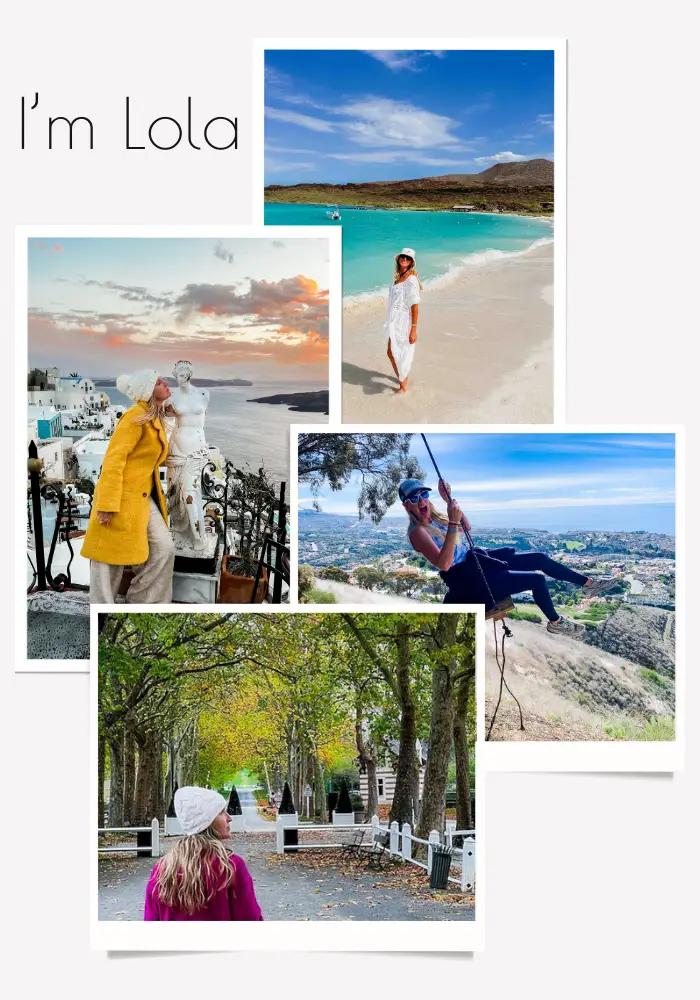
I’m Lola, the storyteller behind My Storied Journeys —a travel blog rooted in wonder, sustainability, and storytelling. I follow cobblestone paths and coastlines alike, seeking meaning in every mile. From UNESCO marvels to Major League ballparks. My hope? To inspire you to find your mindful journey and pass on a legacy of curiosity and care to the next generation.

My 1600 x 100

Journey Insights — Barcelona, Spain

Destination Type
Vibrant Mediterranean city blending Gothic history with modernist artistry.
Vibe & Atmosphere
Energetic, sun-soaked, and endlessly creative.
Best For
Culture lovers, foodies, architecture enthusiasts, beachgoers, and night owls.
Size & Population
Large city, approx. 1.6 million residents.
Walkability
Excellent in central districts like the Gothic Quarter and Eixample; public transit is efficient.
Transportation Options
Metro, buses, taxis, ride-shares, bike rentals, and walkable neighborhoods.
Safety Level
Generally safe, but pickpocketing is common in tourist areas — keep valuables secure.
Nightlife Scene
Thriving — from rooftop bars and flamenco shows to late-night clubs.
Cultural Highlights
La Sagrada Família, Park Güell, Picasso Museum, and Gaudí’s whimsical architecture.
Local Cuisine
Tapas, seafood paella, crema catalana, and market-fresh fare from La Boqueria.
Language Spoken
Catalan and Spanish; English is widely understood in tourist areas.
Currency & Payment
Euro (€); cards widely accepted, cash helpful for small cafés and markets.
Climate & Best Time
Mild winters, hot summers; spring and early fall offer the best weather.
Average Cost
Mid-range; budget travelers can find affordable eats and lodging.
Etiquette & Customs
Late dining hours, polite greetings, and respect for Catalan identity.
Shopping Scene
Designer boutiques on Passeig de Gràcia, artisan shops in El Born, and bustling markets.
Photo-Worthy Spots
Park Güell mosaics, Sagrada Família façade, Barceloneta sunsets.
Wellness & Nature
Beaches, Montjuïc gardens, coastal walks, and nearby hiking trails.
Events & Festivals
La Mercè Festival, Sant Jordi Day, Primavera Sound.
Sustainability
Bike-share programs, pedestrian zones, and growing eco-hotel options.
Accessibility
Good public transport accessibility; some historic sites may have limitations.
Unique Fact
Barcelona has 9 UNESCO World Heritage Sites, most linked to Gaudí’s genius.
My 1600 x 100

🌱 Sustainably Speaking: Barcelona

Barcelona’s magic lies not only in its history and architecture but also in how the city is reimagining itself with sustainability in mind. Many markets, like Mercat de la Boqueria and Santa Caterina, highlight seasonal, locally sourced ingredients that support Catalan farmers. Artisans in neighborhoods like El Born and Gràcia sell handcrafted goods, offering meaningful alternatives to mass-produced souvenirs. The city actively encourages walking, biking, and public transport—perfect ways to explore barrios like the Gothic Quarter or along the Barceloneta boardwalk while keeping your footprint light. Green spaces, from Parc de la Ciutadella to the hillside gardens of Montjuïc, are maintained with sustainability in mind, supporting biodiversity and offering locals and travelers alike a breath of fresh Mediterranean air.

Big ben in london

Find the best things to do in London.

My 1600 x 100

Explore Barcelona

My 1600 x 100

Explore Europe

My 1600 x 100

Learn More About Sustainable Travel

My 1600 x 100

Amazon Journey Essentials

My 1600 x 100
Sharperimage. Com new logo

Journey Essentials

207339 g1

Finger Print Travel Lock

My 1600 x 100
Vera bradley designs, inc.

Journey Essentials

5205920447
5025720137
5096320140

Some of the links on this page are affiliate links, which means I may earn a commission if you make a purchase—at no extra cost to you. Thank you for supporting My Storied Journeys!

Discover Your Next

European Adventure

Explore

Spain Posts

Journey

Colorful ceramic plates displayed outside a shop in the historic center of córdoba, spain.

20 Things to Do in Córdoba, Spain

Discover the best things to do in Córdoba, Spain, through my two-day visit during a motorcycle journey across Andalusia. Explore the Mezquita-Catedral, Jewish Quarter, Roman sites, flower-filled patios, local food, historic plazas and some of my favorite experiences in this remarkable Spanish city.

Read More »

Subscribe to My Newsletter

Subscribe to my weekly newsletter. I don’t send any spam email ever!