
Things to Do in Historic Amboise: From the Royal Château to a Loire Valley Wine Break
Things to do in historic Amboise, France — the royal château, Leonardo da Vinci’s final home at Clos Lucé, market shopping, and a Loire Valley wine tasting.



 On a family road trip from Barcelona, my husband, son, and I made our way to Narbonne, France, a hidden gem in the Occitanie region that promised rich history and captivating charm. With a population of just over 55,000 and an area of approximately 66 square miles, Narbonne is the perfect blend of small-town intimacy and historical grandeur. This once-thriving Roman settlement, established in 118 BCE, was the first Roman colony outside Italy and remains a treasure trove of ancient ruins and architectural wonders. Narbonne is truly an incredible travel destination in Europe.
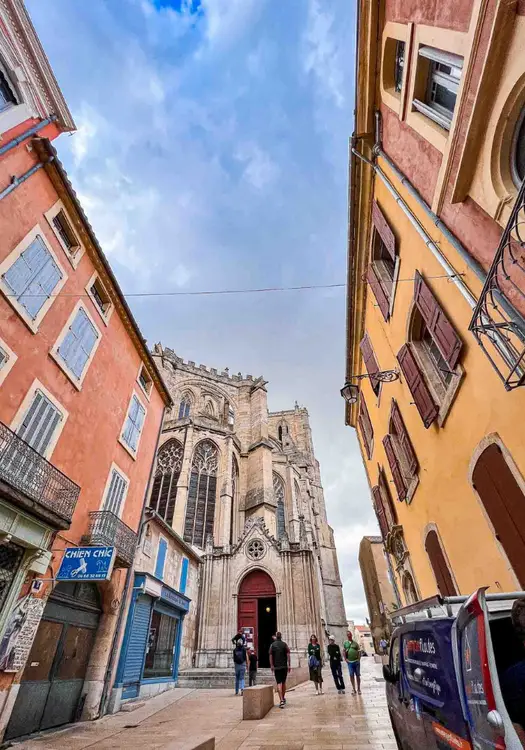
Our journey to Narbonne was inspired by a shared passion for uncovering the past, and the town delivered in spades. Walking along the Via Domitia, the oldest Roman road in Gaul, was like stepping back in time. The remains of this ancient thoroughfare, set into the town’s central square, offered a tangible connection to its storied past. The Narbonne Cathedral, an imposing Gothic masterpiece, provided another highlight with its soaring arches and intricately carved details.
Despite its historic significance, Narbonne is far from a relic. Its lively food markets, charming boutiques, and vibrant cultural scene bring modern energy to this historic town. We enjoyed strolling along the Canal de la Robine, a UNESCO World Heritage site, which winds through the town and adds a serene beauty to its picturesque streets.
For anyone seeking a destination that combines Roman ruins, medieval architecture, and authentic French charm, Narbonne is a must-visit. Our time there was an unforgettable chapter of our road trip and a testament to the magic of exploring lesser-known destinations.


 Narbonne’s history dates back over 2,000 years, making it one of the oldest cities in France. Founded as a Roman colony in 118 BC, Narbonne quickly grew in importance due to its strategic location on the Via Domitia, the first Roman road built in Gaul. This ancient route connected Italy to Spain, making Narbonne a vital hub for trade and military movement. The city’s prosperity continued through the centuries, particularly during the Middle Ages, when it became a significant religious and commercial center.
As you walk through Narbonne, the city’s Roman heritage is still very much alive. The remnants of the Via Domitia can be seen in the heart of the city, a tangible link to Narbonne’s ancient past. Over the centuries, Narbonne has weathered invasions, wars, and economic shifts, but it has always retained its distinct character and charm. Today, Narbonne is a thriving city that celebrates its rich history while embracing the modern amenities and cultural attractions that make it a delightful place to visit.
 One of the most striking landmarks in Narbonne is the Cathédrale Saint-Just et Saint-Pasteur, a Gothic masterpiece that dominates the city’s skyline. Construction of the cathedral began in 1272, but it remains unfinished to this day, a testament to the ambitious scale of the original design. Despite its incomplete state, the cathedral is a breathtaking example of Gothic architecture, with soaring vaults, intricate stained glass windows, and a stunning choir that rivals those of much larger cathedrals.
Visitors to the cathedral can explore its vast interior, where the play of light through the stained glass creates a serene and spiritual atmosphere. The choir, with its richly carved wooden stalls and ornate decorations, is a highlight of the visit. The cathedral also houses a collection of religious art and artifacts, including a 14th-century altarpiece and a set of beautifully preserved tapestries.
For those interested in history and architecture, a visit to the cathedral is a must. The adjacent Archbishop’s Palace(Palais des Archevêques) is also worth exploring, as it contains the Musée d’Art et d’Histoire and the Musée Archéologique, both of which offer fascinating insights into the region’s history.
Click here for directions to Cathédrale Saint-Just et Saint-Pasteur.
 Narbonne’s Roman roots are perhaps best exemplified by the Horreum, an underground complex of ancient Roman warehouses. These vaulted galleries, dating back to the 1st century BC, were once used for storing grain, oil, and other goods that passed through the bustling Roman port. Today, the Horreum is a fascinating archaeological site that offers a glimpse into the city’s past.
Visitors can wander through the labyrinth of tunnels, where the cool air and dim lighting evoke the atmosphere of ancient times. Along the way, you’ll find displays of Roman artifacts, including pottery, coins, and tools, all of which help to paint a picture of life in Narbonne during the Roman era. The Horreum is a unique and immersive experience that transports visitors back to the days when Narbonne was a thriving center of commerce in the Roman Empire.
Click here for directions to the Roman Horreum.
 Narbonne’s connection to the water is another key aspect of its charm, and the the is the perfect place to experience this side of the city. A branch of the Canal du Midi, the Canal de la Robine runs through the heart of Narbonne, offering picturesque views and a tranquil atmosphere. Lined with plane trees and historic buildings, the canal is a popular spot for strolling, cycling, or simply sitting by the water’s edge and watching the world go by.
For a different perspective on the city, consider taking a boat tour along the canal. These tours offer a leisurely way to see the sights, including the Pont des Marchands, one of the last inhabited bridges in France. The bridge is lined with shops and apartments, creating a charming and unusual sight as you glide beneath it.
The canal also plays host to several festivals and events throughout the year, including markets, concerts, and outdoor cinema screenings. Whether you’re visiting in the height of summer or the cooler months, the Canal de la Robine is a beautiful and relaxing part of Narbonne that’s not to be missed.
Click here for directions to the Canal de la Robine.
 For food lovers, a visit to Les Halles de Narbonne is an absolute must. This bustling covered market has been the heart of the city’s culinary scene since it opened in 1901. Les Halles is a feast for the senses, with its vibrant displays of fresh produce, meats, seafood, cheeses, and more. The market is a place where locals gather to shop, socialize, and enjoy the best of the region’s gastronomy.
Wander through the market’s aisles and you’ll find everything from freshly baked bread and pastries to regional specialties like cassoulet, a hearty stew made with beans, sausage, and duck. Don’t miss the chance to sample some of the local cheeses, such as Pélardon or Roquefort, paired with a glass of Corbières wine from the nearby vineyards.
Many of the market’s vendors are more than happy to chat about their products and offer recommendations, making Les Halles not just a place to shop, but a cultural experience in its own right. After exploring the market, grab a seat at one of the nearby cafés or restaurants to enjoy a leisurely lunch featuring the best of what you’ve just seen.
Click here for directions to Les Halls de Narbonne.
 Housed within the Archbishop’s Palace, the Musée d’Art et d’Histoire is one of Narbonne’s premier cultural attractions. The museum’s collection spans several centuries and includes works of art, historical artifacts, and items related to the city’s religious heritage. The museum’s location within the palace adds to the experience, as visitors can explore the grand halls and rooms that once served as the residence of Narbonne’s archbishops.
The museum’s art collection features paintings, sculptures, and decorative arts from the Renaissance to the 19th century, with works by both regional and international artists.
In addition to the art, the museum also delves into Narbonne’s history, with exhibits on the city’s Roman past, its medieval development, and its role in the broader history of the Languedoc region.
Click here for directions to Musée d’Art et d’Histoire.







Things to do in historic Amboise, France — the royal château, Leonardo da Vinci’s final home at Clos Lucé, market shopping, and a Loire Valley wine tasting.

A first-hand travel guide to Château de Chenonceau — hours, tickets, the gallery over the Cher, and the women who shaped it, from real visits to the Loire Valley.

Planning a trip to the Loire Valley’s largest château? This Château de Chambord travel guide covers hours, tickets, what to see inside, and tips from real visits.

A first-person road trip itinerary from Paris through Normandy — Honfleur, the D-Day Beaches, and Mont Saint-Michel — ending in the Loire Valley, with driving times, where we stayed, and the rental car lesson we learned the hard way.

Discover 30 of the best things to do in Lille, France, from Old Lille and the Vieille Bourse to museums, markets, Flemish food, and easy day trips.

Visiting the Louvre Museum isn’t about seeing everything—it’s about seeing what matters most to you. This guide shows when to go, how to plan your route, avoid overwhelm, and experience the Louvre with intention, curiosity, and time to wander.

Discover the 4 best day trips from Paris, including the royal grandeur of Versailles, champagne tasting in Épernay, medieval charm in Strasbourg, and the fairytale castles of the Loire Valley. Each destination offers history, beauty, and unforgettable experiences just hours away.

Embark on a breathtaking road trip through Northern France, exploring Paris, Normandy’s beaches, charming Honfleur, the fairytale Mont Saint Michel, and the castle-filled Loire Valley. Discover history, beauty, and unforgettable moments on this scenic French adventure from city to coast.

Explore the grandeur of the Palace of Versailles, where opulent halls and sprawling gardens reveal the lavish lives of French royalty. Discover the history, beauty, and intrigue behind Marie Antoinette’s world in this unforgettable journey through one of France’s most iconic landmarks.

Discover 20 unforgettable things to do in Paris, from sipping champagne atop the Eiffel Tower to exploring Montmartre and hidden gems like the Crypte Archéologique. A first-person travel guide through the City of Light’s beauty, history, and soul.
Travel Narbonne, France, and discover the charm of this historic city in the heart of the Languedoc region. Explore ancient Roman ruins, stroll through vibrant markets, and enjoy the relaxed ambiance along the Canal de la Robine. Our guide reveals Narbonne’s rich history and cultural treasures.

This Château d’Amboise Travel Guide explores the spectacular royal residence rising above the Loire River. Discover Leonardo da Vinci’s tomb, magnificent rooms, historic towers, panoramic gardens and the essential details you need to plan your visit.

Plan an easy Loire Valley day trip from Paris by train and rental car, with exact timing for Château de Chenonceau, Amboise, lunch, and Tours.

Discover the best things to do with kids on a Paris family trip. Explore iconic landmarks like the Eiffel Tower, visit the magical Jardin d’Acclimatation, and enjoy a boat ride on the Seine. Our guide offers fun, family-friendly activities for an unforgettable Paris adventure.
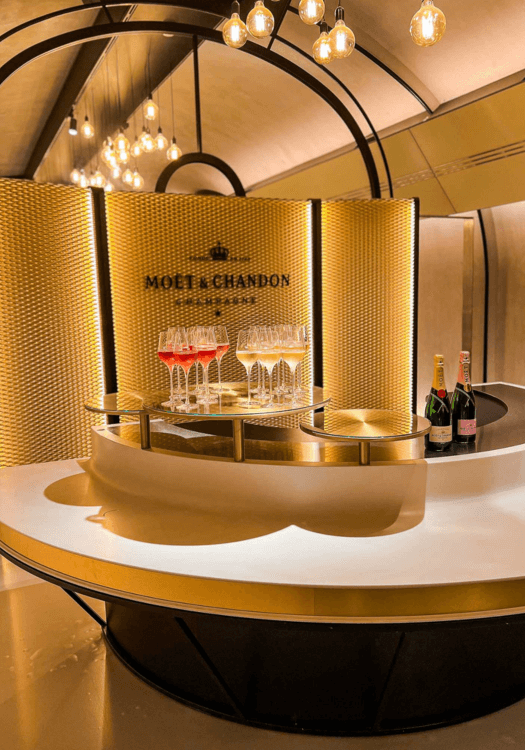
Explore Épernay, France, and indulge in the world of Champagne. Explore the renowned Avenue de Champagne, tour prestigious cellars, and taste exquisite vintages. Our guide highlights the best Champagne experiences, uncovering the rich history and elegance that make Épernay a must-visit destination for wine lovers.

Things to do at the D-Day Beaches in Normandy: Utah Beach and its landing museum, the church at Sainte-Mère-Église where a paratrooper’s effigy still hangs from the steeple, the Richard Winters Leadership Monument, La Fière’s “Iron Mike,” and the German bunkers still standing along the dunes. A full guide with hours, addresses, and a rainy day we won’t forget.

A first-hand Loire Valley travel guide to Chenonceau, Chambord, and Amboise — where to stay, what to see, and lessons learned across two trips through France’s château country.
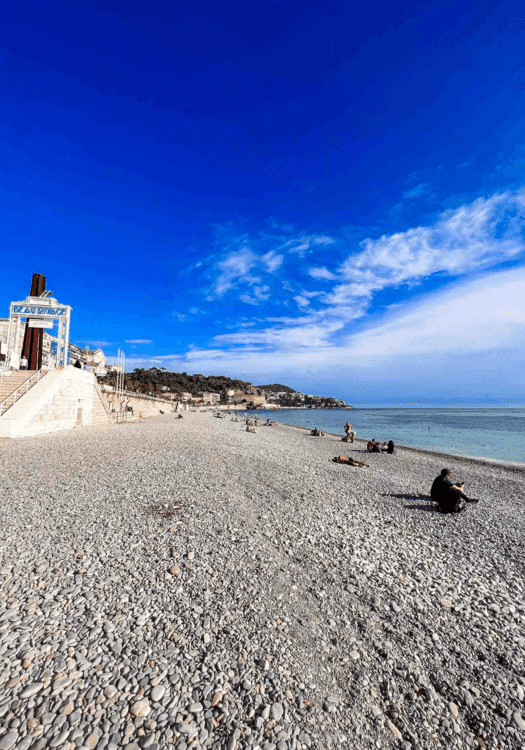
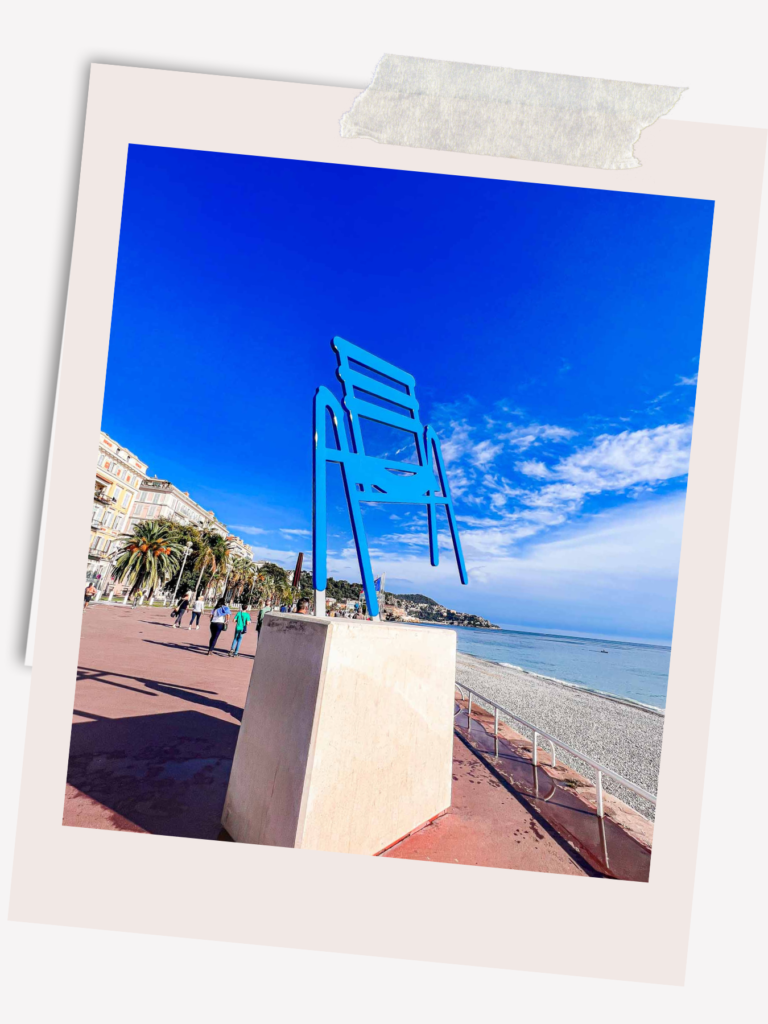
Travel the French Riviera and bask in the sun-soaked glamour of this Mediterranean paradise. Explore charming coastal towns, luxurious beaches, and vibrant markets. Our guide reveals the best of the Riviera’s chic resorts, stunning views, and the perfect blend of relaxation and elegance.