...
Travel normandy

Normandy Travel Guide: Charming Towns & D-Day Beaches

Sailboats docked below historic slate-covered houses along honfleur’s vieux bassin
Medieval mont-saint-michel abbey overlooking the tidal flats of normandy, france, on a clear blue day.

Normandy does not announce itself the way Provence does, in a wash of lavender and cicada song, or the way the Côte d’Azur does, all glare and gloss. It arrives instead in half-tones — apple-wood smoke, salt fog, church bells rolling off half-timbered gables — and it takes you by surprise. We came for a weekend and stayed for a lifetime of memory. This is the Normandy we found, and the one I hope you find too.

Long row of historic timber-framed houses beside a narrow cobblestone lane in honfleur, france
Facebook
WhatsApp
Pinterest
Email
Pinterest collage featuring mont-saint-michel, omaha beach, normandy countryside, and honfleur harbor in france
My 1600 x 100
 

Normandy at a Glance

LocationNorthwestern France, along the English Channel
RegionNormandy, comprising Calvados, Eure, Manche, Orne, and Seine-Maritime
PopulationApproximately 3.35 million residents
Nearest train stationDepends on your destination; Rouen, Caen, Bayeux, and Trouville–Deauville are major rail gateways from Paris
Known forD-Day beaches, Mont-Saint-Michel, picturesque harbors, medieval towns, Impressionist art, dramatic coastline, cider, Calvados, and regional cheeses
Time neededAt least three days for selected highlights; five to seven days for a more complete Normandy road trip
My 1600 x 100

Normandy Travel Guide: Essential Tips for Planning the Perfect French Escape

Welcome to normandy graphic introducing a normandy, france travel guide.

There are places that dazzle you the moment you arrive, and there are places that work on you slowly, until you’re rearranging an entire itinerary just to stay one more night. Normandy is the second kind. What began as a quick stop on our drive to the D-Day beaches turned into one of the most unexpected, deeply felt legs of our entire trip through France — and it’s why I built this Normandy travel guide.

Normandy is a region defined by contrast, and that’s exactly what makes it so rewarding to explore:

•Coastal charm — half-timbered harbor towns like Honfleur, where wooden fishing boats bob in centuries-old marinas

•Living history — the D-Day beaches, now UNESCO-listed, where the scale of 1944 becomes impossible to fully grasp until you’re standing on the sand

•Medieval wonder — Mont Saint-Michel, a tidal-island abbey that looks like something out of legend

•Artistic roots — the Norman light that shaped the Impressionists, from Honfleur’s early painters to Monet’s Giverny nearby

Unlike regions that require careful geographic untangling, Normandy is straightforward: one historic province along France’s northwestern coast, bordering the English Channel. But its simplicity on a map belies how much it holds — orchards and cider farms, Viking and Norman history, Gothic cathedrals, and a coastline solemn enough to stop conversation entirely.

Popular Hotels When You Visit Normandy

My 1600 x 100

Where Is Normandy, and What Makes It So Special

Map of france highlighting the normandy region along the country’s northern coast.
Normandy stretches across northern france along the english channel, making it an easy region to combine with paris and a wonderfully varied destination for a road trip.

Draped along the English Channel between Brittany and the outskirts of Paris, Normandy occupies the northwestern shoulder of France — a region shaped by tides, orchards, and centuries of history that still feel close enough to touch. Its landscapes of chalk cliffs, half-timbered harbor towns, and tidal abbeys make it a place that feels both storybook and solemn, often within the same afternoon.

•Fairy-tale harbor towns

•World War II history and memorials

•Medieval abbeys and tidal islands

•Impressionist art roots

•Cider farms and Calvados country

•UNESCO World Heritage sites

•Coastal cliffs and church villages

•Fresh seafood and harbor-side cafés

•Easy road-trip distances

•A natural gateway to the Loire Valley


My 1600 x 100

Traveling Through Normandy

Sheep grazing in green pastures with mont-saint-michel visible in the distance during a road trip through normandy, france.
I loved our road trip through normandy and watching the landscape change—from historic harbors and quiet villages to green pastures filled with grazing sheep and mont-saint-michel appearing in the distance.

Normandy is an easy region to move through, particularly by car. Roads are well maintained, distances between towns are short, and the driving itself — past hedgerows, half-timbered farmhouses, and sudden coastal views — is part of the pleasure rather than an obstacle to it. Trains connect Paris to Rouen, Caen, and Bayeux efficiently, but a car remains the best way to link Honfleur, the D-Day beaches, and Mont Saint-Michel into one continuous journey, with detours into the countryside whenever the mood strikes.

Normandy Distances to keep in mind:

•Paris to Honfleur: about 2.5 hours by car

•Paris to Bayeux/Caen: about 2.5–3 hours by car, roughly 2 hours by train to Caen

•Honfleur to the D-Day beaches: about 1–1.5 hours

•D-Day beaches (Bayeux/Caen area) to Mont Saint-Michel: about 2 hours

•Mont Saint-Michel to the Loire Valley: about 3–3.5 hours, making it a natural next leg for travelers continuing south toward châteaux country

My 1600 x 100

Best Time to Visit Normandy

White chalk cliffs and natural sea arch at étretat glowing in warm evening light along the normandy coast.
Normandy’s weather can shift quickly from sunshine to overcast skies, but visiting from late may through september offers the best chance of brighter days—like the golden sunshine we found along the cliffs of étretat, not far from honfleur.

Late spring (April through May) and early autumn (mid-September through early November) are the sweet spots. The crowds of the June 6th commemorations are thin, hotel rates in Bayeux and Honfleur ease, and the light along the coast turns particularly soft and cinematic — ideal for the beaches and for wandering harbor towns without jostling for space. 

Summer brings the warmest weather and liveliest atmosphere but also the heaviest visitor traffic, especially now that the D-Day beaches carry UNESCO World Heritage status. 

If witnessing the June 6th commemorations themselves is the goal, book accommodations many months out; otherwise, the shoulder seasons are kinder to both nerves and wallet.

Month

Average High

Weather and Travel Experience in Normandy

Jan–Feb46–48°FNormandy’s coldest months are damp, gray, and quiet. Expect few tourists and a stark, moody backdrop along the D-Day beaches.
March52°FEarly signs of spring begin to appear, although the region remains rainy and relatively quiet.
April57°FMild weather and spring blooms mark the beginning of Normandy’s shoulder season.
May63°FComfortable temperatures, green landscapes, and manageable crowds make May one of Normandy’s sweet-spot months.
June68°FWarm, lively days arrive, while D-Day anniversary events bring the largest crowds early in the month.
July73°FTypically one of the warmest and driest months, with excellent beach weather and some of the year’s largest crowds.
Aug74°FPeak summer brings warm sea temperatures, heavy crowds, and the highest accommodation rates.
Sept70°FDays remain pleasantly warm as summer crowds begin to thin, making September one of the best months to visit.
Oct61°FTemperatures cool and rainfall increases, creating an atmospheric but wetter Normandy experience.
Nov52°FCool, wet, and quiet, with moody coastal scenery and lower off-season prices.
Dec48°FOften the rainiest month, with festive towns but a frequently wet and gray coastline.
My 1600 x 100

How Many Days Do You Need in Normandy

Quiet road lined with traditional stone houses in a small normandy village in france.
Driving through normandy led us beyond the tourist itinerary to some of our sweetest moments—including an unforgettable conversation with a neighborhood bar owner in this quiet village, shared through a translation app.

Four days is enough to see the essentials — Honfleur, the D-Day beaches, and Mont Saint-Michel — without rushing any of them. Five to seven days allows for a gentler pace, with room to add Bayeux’s cathedral and tapestry, the cliffs of Étretat, or a cider route through the Pays d’Auge. We gave it a long weekend carved out of a longer French road trip, and it was just enough to fall in love with the region and start plotting a return.

My 1600 x 100

Cultural Highlights of Normandy

Historic timber-framed house beside a cobblestone lane on rue du puits in honfleur, france
Wandering along rue du puits felt like stepping into another century, with crooked timber-framed houses and narrow cobbled lanes revealing a quieter side of historic honfleur.

Normandy is a place where history isn’t just remembered — it’s still felt, standing in the sand or echoing through a stone abbey. From Impressionist light to Gothic spires and centuries of maritime tradition, the region has shaped as much of art and history as it has absorbed. What makes traveling through Normandy so special is that its past isn’t roped off behind glass — it’s woven into working harbors, quiet chapels, and orchards still tended the way they always have been.

Art: The Light That Shaped Impressionism

Elegant gallery with chandeliers, sculptures, and artwork inside the musée eugène boudin in honfleur, france
I loved stepping inside the musée eugène boudin, where elegant galleries celebrate the artists inspired by honfleur’s harbor and ever-changing normandy skies. Born in honfleur, boudin became an important forerunner of impressionism and an early mentor to claude monet.

Normandy’s light has shaped painters for two centuries. Honfleur alone gave rise to the Eugène Boudin School, a precursor to Impressionism, and the town’s Musée Eugène Boudin still holds a quiet, luminous collection of that early coastal light-chasing. Claude Monet’s gardens at Giverny, just over the regional border, and his studies of the cliffs at Étretat trace directly back to Normandy’s ever-shifting sky.

Popular Tours When You Visit Normandy

UNESCO Heritage: Where History Earned Its World Heritage Status

Mont-saint-michel abbey and medieval village in normandy, france
Rising dramatically from normandy’s tidal bay, mont-saint-michel is one of france’s most unforgettable unesco world heritage sites.

Normandy holds a rare concentration of UNESCO World Heritage recognition. Mont Saint-Michel and its bay have held the designation for decades, celebrated for both the abbey’s soaring silhouette and the wild tidal landscape around it. In July 2026, the five D-Day landing beaches — Utah, Omaha, Gold, Juno, and Sword — along with the Pointe du Hoc assault site, were formally inscribed on the list as well, closing a campaign nearly twenty years in the making and cementing the coastline’s place as a site of “outstanding universal value.”

History and Heritage: A Thousand Years of Conquest and Memory

Tidal waters surrounding mont-saint-michel viewed through a gothic stone arch in the medieval abbey.
Looking across the tidal bay from mont-saint-michel, i could understand how this medieval sanctuary seemed to rise almost miraculously from the sea—and why it has captivated travelers for centuries.

This is a region layered with history far beyond 1944 — Viking settlement, the Norman conquest of England, Joan of Arc’s final days in Rouen, the Bayeux Tapestry’s nearly 230-foot chronicle of 1066, and a thousand-year-old abbey still rising from the tides at Mont Saint-Michel. Every town, from Honfleur’s timbered harbor to the solemn sand of the D-Day beaches, seems to hold a thread of a much larger European story.

My 1600 x 100

Cuisine and Craft: Cider, Cream, and Centuries-Old Craftsmanship

Dinner of scallops and mussels served at a restaurant in honfleur, normandy
My husband was committed to eating only regional food throughout our road trip through france, and honfleur made that promise easy to keep. Our dinner of mussels and scallops celebrated normandy’s close connection to the sea.

Norman cuisine runs rich and coastal: mussels in cream sauce, fresh oysters, Camembert and Livarot cheeses, and the region’s celebrated Calvados apple brandy. Timber-framed buildings, chocolate ateliers, and centuries-old harbor markets round out a culture built as much around craft and appetite as around history.

My 1600 x 100

Best Things to Do in Normandy

Collage of normandy highlights featuring mont-saint-michel abbey, honfleur harbor, sainte-catherine’s church, and the historic d-day coastline.
Our normandy road trip carried us from medieval mont-saint-michel and honfleur’s glowing harbor to the profoundly moving d-day coastline—each place revealing another layer of the region’s story.

•Wander Honfleur’s Vieux Bassin at sunrise, before the day-trippers arrive

•Take a guided D-Day beaches tour, ideally with a historian who can bring the scale of the landings into focus

•Spend a night inside Mont Saint-Michel after the tour buses depart

•Hike to a coastal chapel, such as Honfleur’s Chapelle Notre-Dame de Grâce, for harbor views

•Visit the Bayeux Tapestry and Bayeux Cathedral

•Sample Calvados and cider along the Route du Cidre

•Walk the chalk cliffs of Étretat

•Eat mussels and drink Muscadet or a crisp Norman white wine in a harbor-front café

My 1600 x 100

Popular Tours When You Visit the Normandy

My 1600 x 100
Through My Lens - Normandy
My 1600 x 100

My storied journeys logoHow This Journey Began For Me: Normandy

We built our two-week France trip around a full week in Paris, followed by a drive toward the D-Day beaches, with Honfleur planned as a stop along the way. We expected a quick look around before pushing on. Instead, the harbor’s charm — small wooden boats bobbing at anchor, timber-framed streets, the whole town feeling lifted from a fairy tale — stopped us in our tracks, and a planned pause turned into an unplanned overnight, with mussels in cream sauce, white wine, and chocolate from a shop we couldn’t walk past.

From Honfleur, we continued on to the D-Day beaches for the private Jeep excursion I had planned as an anniversary gift for my husband. It was a day built around history rather than charm, and it asked something different of us — a solemnity that stayed with us long after we’d driven on, and a scale to the war that neither of us had truly grasped until we stood on that sand.

We closed out our time in Normandy with a night inside the walls of Mont Saint-Michel, watching the tide and the light transform the medieval town from something eerie at dusk into something luminous by morning. Three stops, three completely different moods — a fairy tale, a reckoning, and a myth made real — and together they became the emotional center of our entire two weeks in France before we continued on toward the Loire Valley.

My 1600 x 100

Best Places to Visit in Normandy

Mont-saint-michel rising above misty tidal waters and reflected beneath a softly colored sky in normandy, france.
Spending the night at mont-saint-michel gave us time to see it at its most magical, rising above the mist and reflected in the quiet tidal waters.

Normandy’s best-known destinations earned their reputation honestly — each one distinct, each one worth building a stop around. Below is a quick look at three of the region’s essentials, along with what to expect at each. 

My 1600 x 100

Honfleur

Collage of normandy highlights featuring mont-saint-michel abbey, honfleur harbor, sainte-catherine’s church, and the historic d-day coastline.
Our normandy road trip carried us from medieval mont-saint-michel and honfleur’s glowing harbor to the profoundly moving d-day coastline—each place revealing another layer of the region’s story.

What is Honfleur?

A small, postcard-perfect harbor town on Normandy’s southern coast, built around the Vieux Bassin — a working marina ringed with tall, slate-fronted, timber houses.

Why Honfleur made the list:

Honfleur is Normandy’s most photogenic introduction to the region — walkable, historic, and packed with charm without feeling like a tourist trap. It’s an easy, natural stop for anyone driving between Paris and the D-Day beaches.

What to expect in Honfleur:

•A compact old town, easy to cover on foot in an afternoon

•The Vieux Bassin harbor, lined with cafés, galleries, and small wooden fishing boats

•Ste. Catherine’s Church, France’s largest wooden church, built by shipbuilders

•The Musée Eugène Boudin, tied to the Impressionist movement’s early roots

•A short hike up to the Chapelle Notre-Dame de Grâce for harbor views

•Fresh seafood, cider, and chocolate shops throughout the old town

•A good overnight stop, even if you only planned to pass through

Popular Tours When You Visit Honfleur

My 1600 x 100

The D-Day Beaches

Collage of normandy’s d-day beaches featuring a military jeep tour, american flag and soldier memorial, and wartime remains overlooking the coast.
I arranged a d-day jeep tour as a gift for my husband, but walking these quiet beaches and hearing the stories of the soldiers who landed here became one of the most moving experiences of our normandy road trip.

What are the D-Day Beaches? 

The 80-kilometer stretch of Normandy coastline — Utah, Omaha, Gold, Juno, and Sword beaches — where Allied forces landed on June 6, 1944, now home to museums, memorials, and cemeteries. Newly inscribed as a UNESCO World Heritage Site in July 2026.

Why the D-Day Beaches made the list:

Few places in the world combine historical weight and physical scale the way this coastline does. It’s an essential, transformative stop for any Normandy itinerary, whether or not history is normally your focus.

What to expect at the D-Day Beaches:

•Multiple beach sites and museums spread across a wide stretch of coast — a guided tour or private driver is the most efficient way to see them

•The American Cemetery at Colleville-sur-Mer, overlooking Omaha Beach

•Pointe du Hoc, with its preserved bomb craters and cliffside bunkers

•The Caen Memorial Museum for broader historical context

•Options ranging from small-group bus tours to private Jeep excursions

•A solemn, reflective atmosphere — plan a full day and pace yourself emotionally

•Heavy crowds around June 6th; shoulder-season visits are calmer

Popular Tours at D-Day Beaches

My 1600 x 100

Mont Saint-Michel

Collage of mont-saint-michel featuring the illuminated abbey at night, medieval grande rue, and stone stairways leading toward the abbey.
Staying overnight allowed us to explore mont-saint-michel’s winding lanes and steep stone stairways by day, then watch the illuminated abbey become wonderfully atmospheric after dark.

What is Mont Saint-Michel? 

A tidal island abbey off Normandy’s southern coast, crowned by a medieval monastery and ringed by narrow, winding streets. A UNESCO World Heritage Site and one of France’s most visited landmarks.

Why Mont Saint-Michel made the list:

No image captures Normandy quite like Mont Saint-Michel’s silhouette rising out of the bay. Staying overnight, after the day-trippers leave, turns a famous photo stop into one of the most memorable experiences in France.

What to expect at Mont Saint-Michel:

•Heavy day-trip crowds, especially midday — staying overnight is the best way to experience it quietly

•A steep, narrow climb through the village to the abbey at the summit

•Dramatic tidal shifts that transform the surrounding bay throughout the day

•Limited lodging inside the walls — book well in advance

•Abbey tours covering centuries of construction and monastic history

•Small shops and restaurants along the main street, busiest by day and quiet by night

Popular Tours in Mont Saint-Michel

My 1600 x 100

Sustainability in Normandy

Normandy’s relationship with sustainability looks different from a place like the Netherlands — it’s rooted less in urban innovation and more in preservation, slow travel, and a deep respect for land and coastline that’s been farmed and fished the same way for generations.

Sustainability Highlights in Normandy

•Careful preservation of historic towns like Honfleur and Bayeux, with restoration favored over redevelopment

•UNESCO stewardship of Mont Saint-Michel and the D-Day beaches, both protected for long-term conservation

•A strong farm-to-table food culture, with cider, cheese, and produce sourced from small regional producers

•Walkable historic centers that naturally encourage slower, lower-impact exploration

•Coastal and tidal conservation efforts around Mont Saint-Michel’s bay to protect its ecosystem

•Countryside road trips that favor small towns and local farms over mass-tourism routes

What struck me most while traveling through Normandy was how naturally preservation showed up — not as a marketed initiative, but as a way of life. Staying in centuries-old buildings, eating what the region actually produces, and walking towns built for people rather than cars made the trip feel quieter and more grounded, without ever feeling like a compromise.

My 1600 x 100

Facts About Normandy

  • The Bayeux Tapestry is nearly 70 meters long.
    Stitched in wool on linen in the 11th century, it chronicles the Norman Conquest of England in vivid, scene-by-scene detail — and has been on UNESCO’s Memory of the World Register since 2007.
  • Normandy takes its name from the Vikings.
    The region was ceded to Norse settlers — the “Northmen” — in 911 under the Treaty of Saint-Clair-sur-Epte, giving rise to both the name Normandy and the Norman dynasty that would later conquer England.
  • William the Conqueror was born in Normandy.
    The Duke of Normandy invaded England in 1066, defeating King Harold at the Battle of Hastings and becoming King of England while retaining his Norman title.
  • Mont Saint-Michel has some of the highest tides in Europe.
    The bay’s tidal range can exceed 40 feet, occasionally cutting the island off completely and transforming the surrounding landscape within hours.
  • The D-Day beaches were the site of history’s largest seaborne invasion.
    On June 6, 1944, Allied forces landed across five beaches — Utah, Omaha, Gold, Juno, and Sword — in an operation that reshaped the course of World War II.
  • The D-Day beaches became a UNESCO World Heritage Site in 2026.
    The inscription, covering all five landing beaches and Pointe du Hoc, followed a campaign nearly two decades in the making.
  • Camembert cheese originated in a Norman village of the same name.
    The soft, bloomy-rind cheese has been produced in Normandy since the late 18th century and remains one of France’s most recognizable exports.
  • Normandy is cider and Calvados country, not wine country.
    The region’s cool, apple-friendly climate led to a centuries-old tradition of cider and Calvados brandy production rather than winemaking.
  • Honfleur helped give rise to Impressionism.
    The Eugène Boudin School, centered in Honfleur, is considered a direct precursor to the Impressionist movement that Monet would later carry forward.
  • Rouen Cathedral was once the tallest building in the world.
    It held that title briefly in the late 19th century and was famously painted more than 30 times by Claude Monet in different light.
  • Joan of Arc was executed in Rouen.
    The French heroine was tried and burned at the stake in the city’s marketplace in 1431, a defining moment in Norman and French history.
  • Normandy is split into Upper and Lower regions historically.
    Haute-Normandie and Basse-Normandie carried distinct identities for centuries before merging into a single administrative region in 2016.
  • Étretat’s cliffs inspired generations of painters.
    The dramatic chalk cliffs and natural arches drew Monet, Courbet, and Boudin, and remain one of the coast’s most photographed landmarks.
  • Mont Saint-Michel has functioned as an abbey for over 1,000 years.
    Construction began in the 8th century, with the monastery expanded and rebuilt across centuries into the silhouette travelers recognize today.
My 1600 x 100

FAQs About Normandy

1. How many days do you need in Normandy?

Four days is enough to see the essentials — Honfleur, the D-Day beaches, and Mont Saint-Michel — without rushing. Five to seven days allows time to add Bayeux, Étretat, or a cider route through the countryside.

2. What is the best time to visit Normandy?

Late spring (April–May) and early autumn (mid-September–early November) are ideal, with thinner crowds, easier hotel rates, and soft coastal light. Summer is warmest but also the busiest and most expensive.

3. Do I need a car to visit Normandy?

A car is strongly recommended. Trains connect major towns like Rouen, Caen, and Bayeux, but a rental car is the best way to link Honfleur, the D-Day beaches, and Mont Saint-Michel into one continuous route.

4. How far is Normandy from Paris?

Most of Normandy's key destinations are 2–3 hours from Paris by car, making it an easy add-on to a longer French road trip.

5. Is Mont Saint-Michel worth staying overnight?

Yes. Mont Saint-Michel draws heavy day-trip crowds, and staying overnight — after the buses leave — offers a completely different, quieter experience of the medieval town.

6. How do I visit the D-Day beaches?

Guided tours are the most efficient way to see the beaches and museums in a single day, with options ranging from small-group bus tours to private excursions, including WWII Jeep tours.

7. Are the D-Day beaches a UNESCO World Heritage Site?

Yes. In July 2026, the five landing beaches — Utah, Omaha, Gold, Juno, and Sword — along with Pointe du Hoc, were formally inscribed on the UNESCO World Heritage list.

8. What food is Normandy known for?

Norman cuisine centers on cream, cider, and Calvados brandy rather than wine, along with mussels, fresh seafood, and cheeses like Camembert and Livarot.

9. Can I visit Normandy as a day trip from Paris?

It's possible for a single destination like Mont Saint-Michel or the D-Day beaches, but a day trip means long drive times and little room to actually experience the towns. An overnight stay is far more rewarding.

10. Is Normandy easy to combine with other regions?

Yes. Mont Saint-Michel sits about 3–3.5 hours from the Loire Valley, making it a natural next stop for travelers continuing on to châteaux country.

11. Is Normandy walkable?

Normandy’s individual towns are often very walkable, including Honfleur, Bayeux, and central Rouen. However, the region’s main attractions are spread across a wide area, so you will need a car, train, or tour to travel between them. Mont-Saint-Michel also involves steep lanes and many stairs.

12. What is the weather like in Normandy?

Normandy has a mild maritime climate with changeable weather throughout the year. Summers are generally comfortable rather than extremely hot, while winters are cool, damp, and often gray. Rain is possible in every season, so bring a lightweight waterproof layer even when the forecast looks promising.

13. Is Normandy family-friendly?

Yes. Children and teenagers may enjoy exploring castles, climbing the abbey at Mont-Saint-Michel, walking along the beaches, and learning about WWII history through interactive museums. Families should plan for driving between attractions and check whether younger children are comfortable with the emotional nature of certain war memorials and cemeteries.

14. What should you pack for Normandy?

Pack comfortable walking shoes, layers, a waterproof jacket, and a compact umbrella. Coastal winds can make temperatures feel cooler, even during summer. If you plan to visit churches, cemeteries, or memorials, bring respectful clothing and shoes suitable for uneven paths, grass, and cobblestones.

15. Can you visit Mont-Saint-Michel and the D-Day beaches on the same day?

It is technically possible, but I would not recommend it. The drive between the main D-Day sites and Mont-Saint-Michel takes roughly two hours, depending on your route and starting point. Each deserves time to explore without rushing, so it is better to devote a separate day to each.

16. Is a guided D-Day tour worth it?

Yes, especially for first-time visitors. Many bunkers, memorials, battlefields, and significant viewpoints are spread throughout the countryside and can be easy to overlook. I booked a WWII jeep tour as a gift for my husband, and having a knowledgeable guide made the history feel much more immediate and personal.

17. Which D-Day beaches should you visit?

The five main landing areas were Utah, Omaha, Gold, Juno, and Sword beaches. Omaha Beach, the Normandy American Cemetery, Pointe du Hoc, and Utah Beach are among the most frequently visited American sites. A guided tour can provide valuable historical context and help connect the individual locations into one powerful story.

18. What are the must-see places in Normandy?

Normandy’s highlights include:

  • The D-Day landing beaches and American Cemetery
  • Mont-Saint-Michel
  • Honfleur and its historic harbor
  • Bayeux and the Bayeux Tapestry
  • Rouen and its Gothic cathedral
  • The white cliffs of Étretat
  • Claude Monet’s house and gardens in Giverny
  • The seaside towns of Deauville and Trouville-sur-Mer

Find the best things to do in Honfleur.

My 1600 x 100

Explore Normandy

My 1600 x 100 px

French Destinations

My 1600 x 100
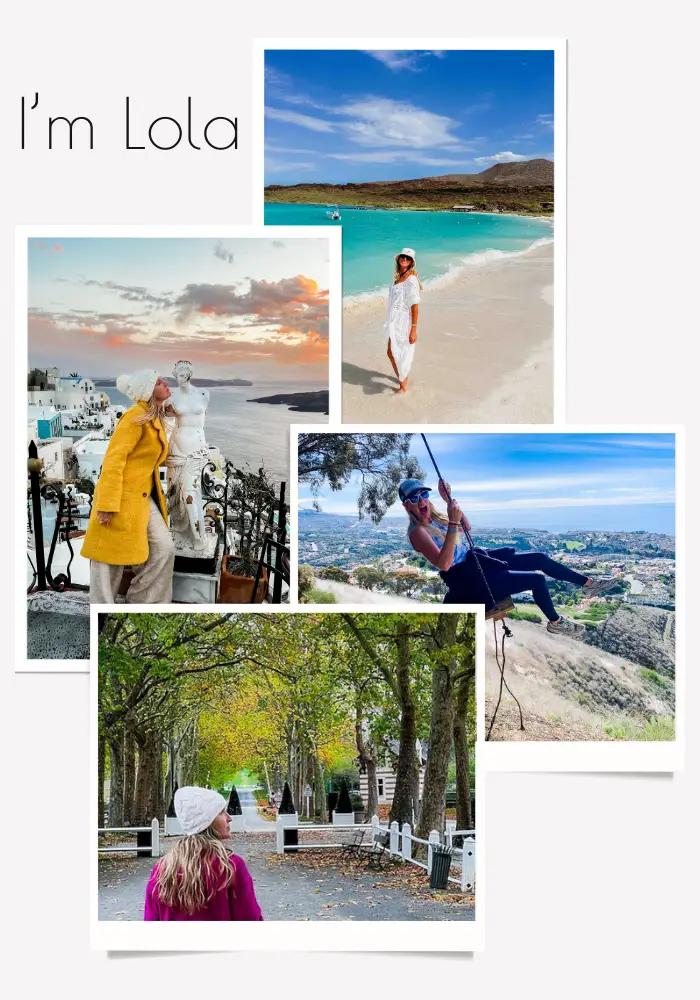
Collage of the author from my storied journeys on the beach, in santorini on a cliff, swinging on a swing and walking through a castle at the loire valley.

Wherever I go and with every picture I take, I see a story. So every journey, becomes a storied journey.

My 1600 x 100

About My Guides

I don’t travel with endless days to wander (maybe someday) — I travel with intention. Every city has a story, and I plan around what matters most, so I leave inspired (and never regretful). In my guides, I share it all: what I loved, what I researched, and what you might choose for your own journey. Think of them as a compass, not a script—so you can create your chapter in that city’s story.

Explore Europe

My 1600 x 100

Journey Product Essentials

Some of the links on this page are affiliate links, which means I may earn a commission if you make a purchase—at no extra cost to you. Thank you for supporting My Storied Journeys!

Tips for Traveling in Normandy

Essential TipWhat to Know
Rent a carNormandy rewards wandering. Although trains connect the principal towns, they will not take you to secluded coastal chapels, countryside cider farms, or the quiet stretches of Omaha Beach where the fog still rolls in low.
Book Mont-Saint-Michel earlyReserve accommodations inside the walls well in advance. Rooms are limited, and experiencing Mont-Saint-Michel after the day-trippers leave is worth planning your itinerary around.
Pack for changeable weatherThe English Channel coast can be bright and sunny one hour and silvered with mist the next—in any season. Bring layers and a waterproof jacket.
Reserve D-Day tours in advanceExperienced guides can book quickly, especially around June 6, when Normandy welcomes veterans, dignitaries, families, and pilgrims of history.
Bring an appetiteNorman cuisine celebrates cream, butter, seafood, apples, cider, and Calvados. Leave plenty of time—and room—for regional meals.
Carry some cashCards are widely accepted, but cash remains helpful in small harbor towns, local markets, and countryside farm stands where card readers may not always be available.

Discover Your Next French Adventure

Explore Posts About France

Day trips from paris

4 Best Day Trips from Paris You Can’t Miss

Discover the 4 best day trips from Paris, including the royal grandeur of Versailles, champagne tasting in Épernay, medieval charm in Strasbourg, and the fairytale castles of the Loire Valley. Each destination offers history, beauty, and unforgettable experiences just hours away.

Read More »
Palace of versailles

Step Into Royalty: A Day at the Palace of Versailles

Explore the grandeur of the Palace of Versailles, where opulent halls and sprawling gardens reveal the lavish lives of French royalty. Discover the history, beauty, and intrigue behind Marie Antoinette’s world in this unforgettable journey through one of France’s most iconic landmarks.

Read More »

Subscribe to My Newsletter

Subscribe to my weekly newsletter. I don’t send any spam email ever!